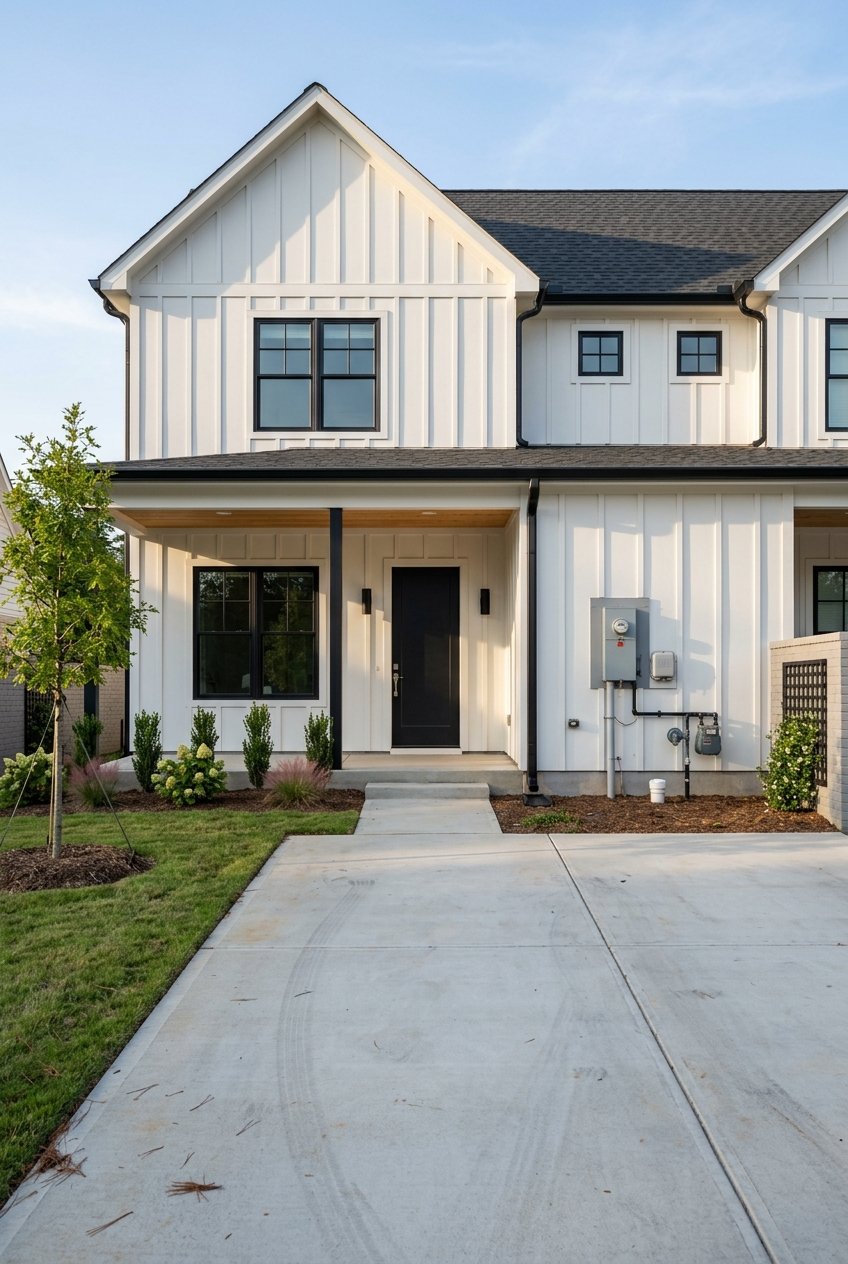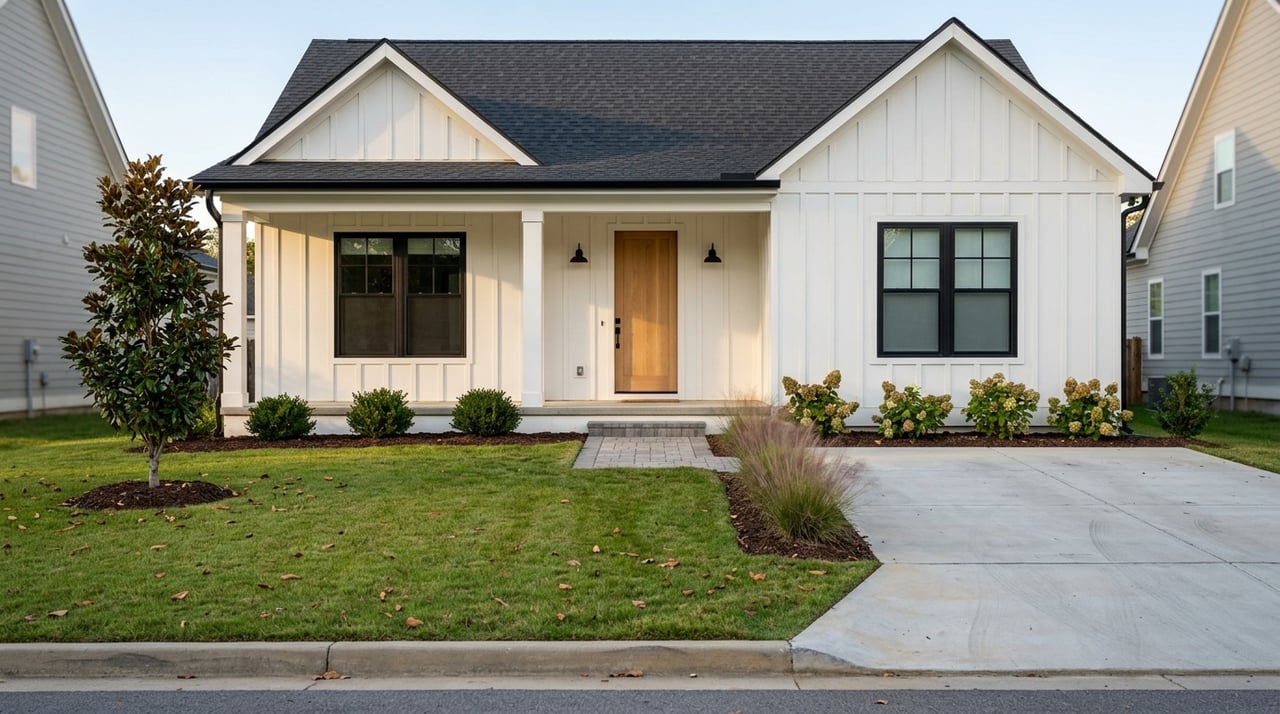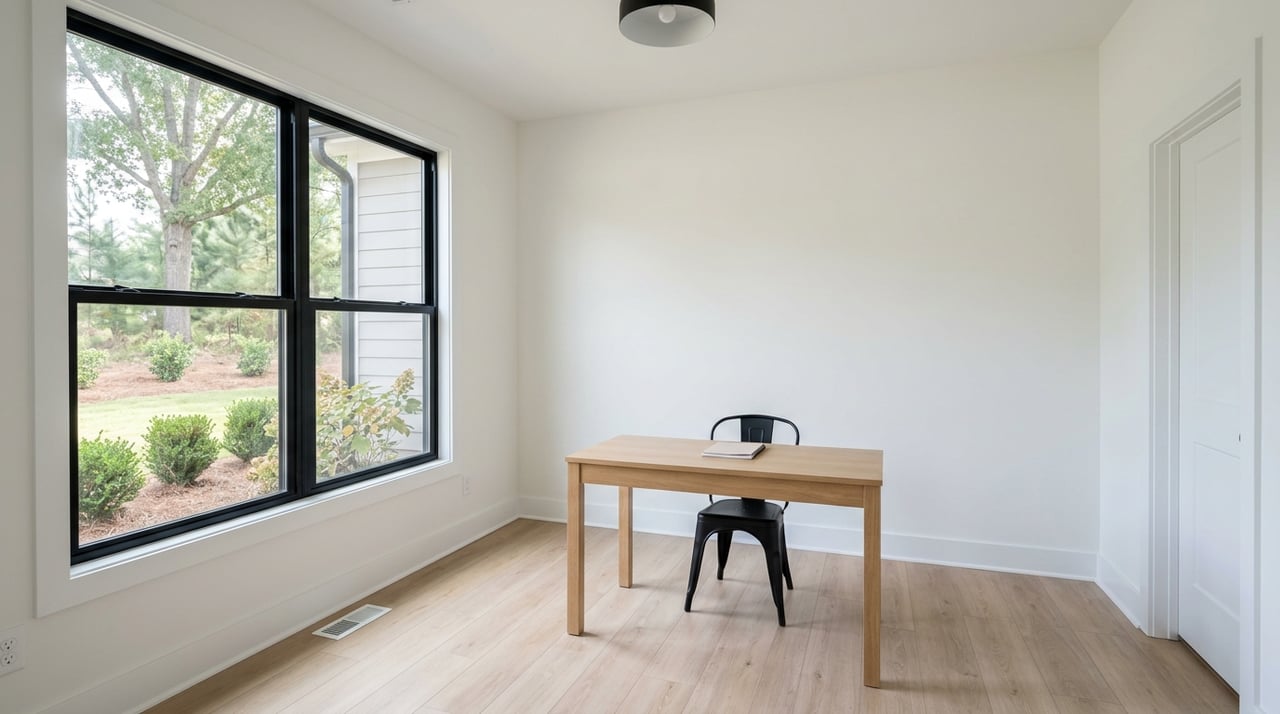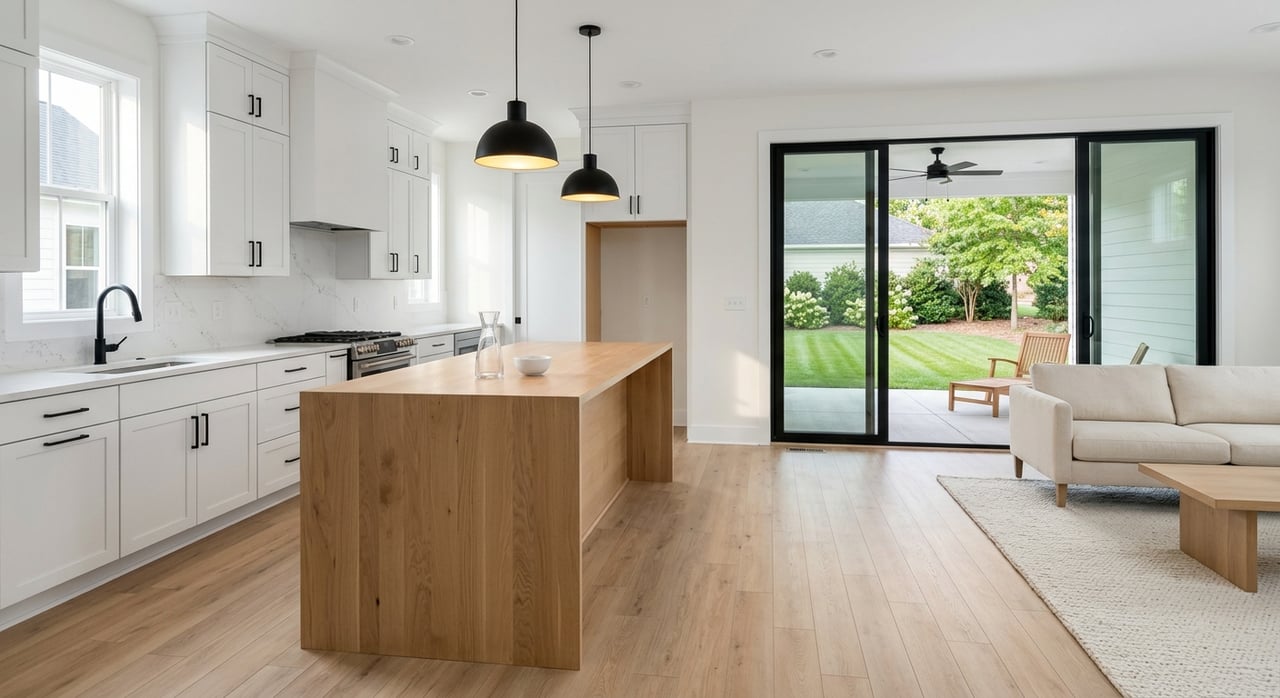
If you are curious about Raleigh’s new home communities, the first thing to know is this: you are not just shopping for a house. You are often choosing a lifestyle built around convenience, shared amenities, easier upkeep, and quick access to the parts of the city you use every day. If you want to understand how these neighborhoods really feel from Monday mornings to weekend outings, this guide will walk you through it. Let’s dive in.
Where Raleigh’s Newer Communities Tend to Cluster
When you picture newer-home living in Raleigh, a few parts of the city come up again and again. North Raleigh, South Raleigh, and the RDU/Brier Creek area are some of the clearest examples called out in local area guides.
That matters because each area shapes your daily routine a little differently. North Raleigh is known for large residential enclaves, South Raleigh continues to grow quickly, and RDU/Brier Creek offers a strong mix of shopping, dining, and airport access. In many home searches, the conversation also stretches into nearby places like Knightdale, Rolesville, Wake Forest, Garner, Wendell, Cary, and Apex.
Raleigh itself also has a youthful energy that helps newer communities feel active and current. The city’s July 1, 2025 population estimate is 506,306, and the official city profile lists a median age of 34.9 from the 2020 Census.
What Daily Life Usually Feels Like
In many newer Raleigh communities, the lifestyle is about more than the square footage inside your home. Current market examples show a strong focus on amenities that make everyday living simpler, more social, and more flexible.
You will often see features like pools, clubhouses, fitness centers, dog parks, playgrounds, and trails. Some communities also highlight extras like tennis courts, game rooms, volleyball courts, or lawn-care packages. While every neighborhood is different, the pattern is clear: many newer communities sell shared recreation and lower-maintenance living just as much as the home itself.
For you, that can mean less time spent on heavy upkeep and more time using the neighborhood around you. It can also make the community feel active without requiring you to live in the center of downtown.
Amenities That Show Up Often
Here are some of the features that appear repeatedly in current Raleigh new-home community examples:
- Swimming pools, including some saltwater pools
- Clubhouses and gathering spaces
- Fitness centers
- Dog parks
- Pocket parks and playgrounds
- Trails and walking paths
- Tennis courts or other recreational courts
- Low-maintenance features such as lawn-care packages
If that sounds appealing, Raleigh’s newer-home lifestyle may be a good fit for you. The appeal often comes from having useful amenities close to home without taking on the work of maintaining them yourself.
Why Outdoor Access Is a Big Part of the Appeal
Raleigh makes it easy to build outdoor time into your routine. The city highlights 9,500 acres of public parks and greenways, 220 parks, 44 recreation centers, and more than 13,000 sports, arts, and recreation programs each year.
That broad park system supports the daily feel of newer neighborhoods, especially in parts of the city where people want space and convenience. You can live in a newer area and still have easy ways to get outside before work, after dinner, or on the weekend.
The Capital Area Greenway stretches more than 100 miles and connects places from downtown to the NC Museum of Art, Umstead State Park, and RDU International Airport. The 33-mile Neuse River Greenway is another major route for walking, biking, and paddling.
Parks That Help Define the Lifestyle
Several Raleigh parks help show what everyday recreation can look like:
- Lake Johnson Park offers paved greenway trails, natural-surface trails, fishing, paddling and sailing programs, indoor facilities, and a pool.
- Shelley Lake Park includes a 2-mile paved scenic trail.
- Forest Ridge Park spans 587 acres with mountain biking, multi-use trails, fishing, a wildlife garden, and nature programs.
- Lake Wheeler Park includes 800 acres of lake-and-park land with trails, boating opportunities, and water views.
Raleigh also describes its climate as mild and temperate with four distinct seasons. That helps support year-round outdoor routines, which is a real plus if you want your neighborhood life to include trails, parks, and time outside.
Convenience Beyond the Neighborhood
One of the strongest parts of living in Raleigh’s new home communities is that you are not relying only on neighborhood amenities. The city also offers a deep bench of off-site dining, retail, and entertainment options.
Raleigh says it has more than 1,200 restaurants, cafes, brewpubs, and bistros. That gives you a lot of flexibility for weeknight dinner, weekend brunch, coffee runs, or casual meetups without needing to live downtown.
Midtown Raleigh is especially useful in this conversation because it ties together places like North Hills, Crabtree Valley, Village District, and Five Points within a short drive. North Hills alone is described as a walkable district with more than 130 local shops, restaurants, bars, spas, a theater, and an outdoor live-music venue.
The RDU/Brier Creek area adds another layer of everyday convenience. It is known for large concentrations of retail, restaurants, breweries, and family entertainment, which helps explain why nearby newer communities often feel practical for daily life.
What That Means for Your Routine
If you live in one of Raleigh’s newer-home areas, your day may look something like this:
- Coffee or a walk in your neighborhood
- A drive to work or a work-from-home day
- Easy errands on the way home
- Dinner in a nearby shopping or mixed-use district
- Weekend time at a park, greenway, or community pool
That combination is a big part of the appeal. You get the newer-home feel without giving up access to the broader city.
Commutes, Driving, and Getting Around
Raleigh is still largely car-oriented, so location matters a lot when you are choosing a new home community. For many buyers, the best fit comes down to how easily you can drive to work, stores, restaurants, parks, and the airport.
The Census QuickFacts estimate Raleigh’s mean travel time to work at 23.0 minutes for workers age 16 and older who do not work from home. The city also says more than 60% of residents drive alone, while about 25% work from home.
That mix helps explain why newer communities often appeal to people who want flexibility. If you commute by car, you will likely care about direct road access and practical drive times. If you work remotely, you may care more about neighborhood amenities, nearby errands, and recreational options.
Transit is part of the picture too, even if it is not the main story for most households. GoRaleigh has added express routes to Knightdale, Garner, and Rolesville, and the city is working on Bus Rapid Transit. The downtown R-Line also connects riders to shopping, restaurants, entertainment venues, and parking, with service about every 15 minutes.
Who Often Likes This Lifestyle Most
Raleigh’s new home communities can appeal to different kinds of buyers, but a few groups tend to find the lifestyle especially attractive. If you want a home that feels current and functional, with a community designed around convenience, this style of neighborhood may check a lot of boxes.
Move-up buyers often like the balance of newer construction and easier upkeep. Instead of focusing on a large lot with heavier maintenance, they may prefer shared amenities and a layout that supports busy schedules.
Relocating buyers also tend to appreciate the clarity of newer neighborhoods. It can be easier to picture your routine when a community offers built-in amenities, nearby retail, and simple access to major parts of Raleigh.
For many households, the biggest draw is predictability. Newer-home areas often feel organized, connected, and ready for day-to-day living from the start.
What to Keep in Mind as You Explore
Not every new home community in Raleigh will feel the same. Some will lean more toward amenity-rich living, while others may prioritize location, lower-maintenance features, or quick access to shopping and major roads.
As you compare neighborhoods, it helps to think beyond the house itself. Consider how often you would use a pool, clubhouse, dog park, or trail. Think about where you run errands, how you spend weekends, and whether you want to be closer to North Raleigh, South Raleigh, or the RDU/Brier Creek side of the city.
You should also remember that many newer-home searches naturally extend beyond Raleigh proper. Nearby communities in the surrounding metro can offer a similar feel, especially if your top priorities are newer construction, convenience, and access to growing parts of the region.
If you are weighing what kind of new-home lifestyle fits you best, Ace Development Group brings a practical, builder-minded perspective to the conversation. Whether you are comparing community feel, evaluating newer construction, or planning your next move, the right guidance can make the process more straightforward.
FAQs
What parts of Raleigh feel most like newer-home territory?
- North Raleigh, South Raleigh, and the RDU/Brier Creek area are the clearest examples identified in local area guides, with many searches also extending into nearby towns around the metro.
What amenities are common in Raleigh new home communities?
- Current community examples commonly highlight pools, clubhouses, fitness centers, dog parks, playgrounds, pocket parks, trails, and in some cases lower-maintenance features like lawn-care packages.
What is daily life like in a newer Raleigh community?
- Daily life often centers on convenience, shared amenities, easier upkeep, nearby shopping and dining, and access to parks and greenways rather than on large-lot living.
How outdoor-friendly is living in Raleigh?
- Raleigh supports an active outdoor lifestyle with 9,500 acres of public parks and greenways, 220 parks, more than 100 miles of Capital Area Greenway, and a mild four-season climate.
Is Raleigh convenient for dining and errands if you live in a newer community?
- Yes, many newer communities benefit from Raleigh’s broader amenity base, including more than 1,200 restaurants, cafes, brewpubs, and bistros plus retail hubs like Midtown and Brier Creek.
How do most people get around Raleigh from new home communities?
- Raleigh is mainly car-oriented, with a mean travel time to work of 23.0 minutes for many workers, though transit options such as express routes and the R-Line are also part of the transportation picture.
Why do buyers often choose a newer Raleigh community?
- Many buyers are drawn to the mix of newer homes, lower-maintenance living, shared recreation, and practical access to work, shopping, dining, and outdoor spaces.