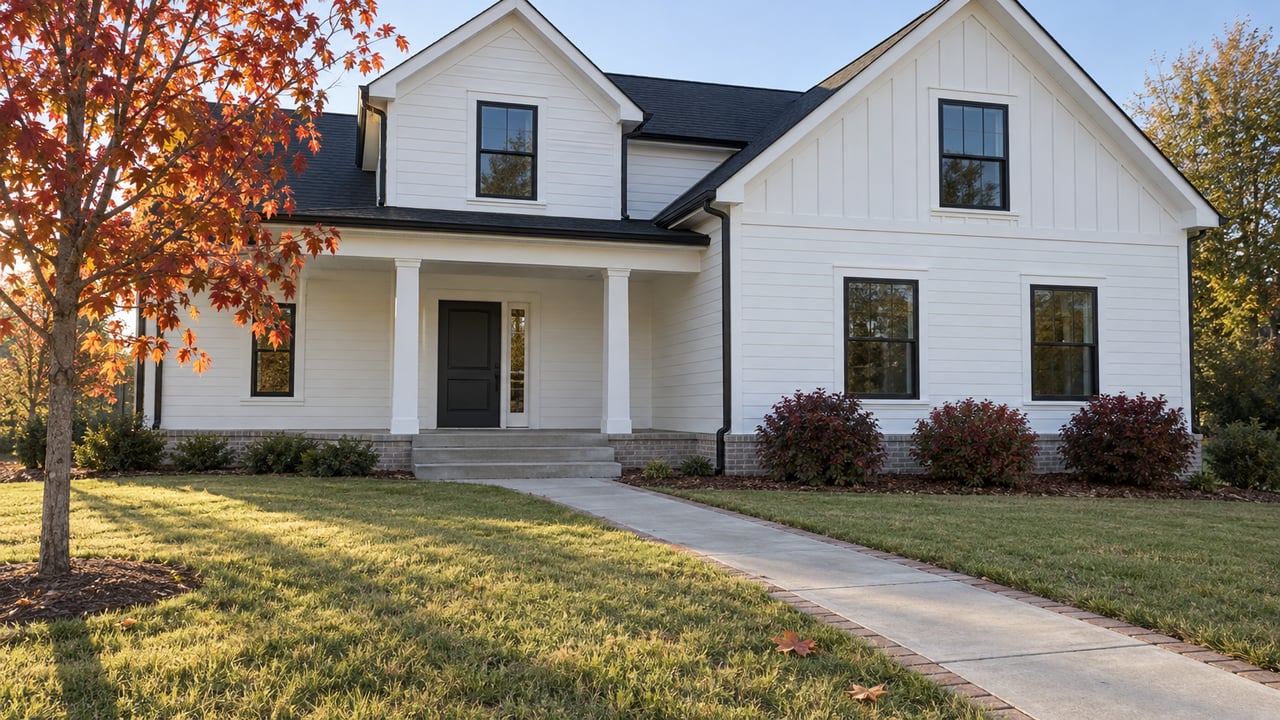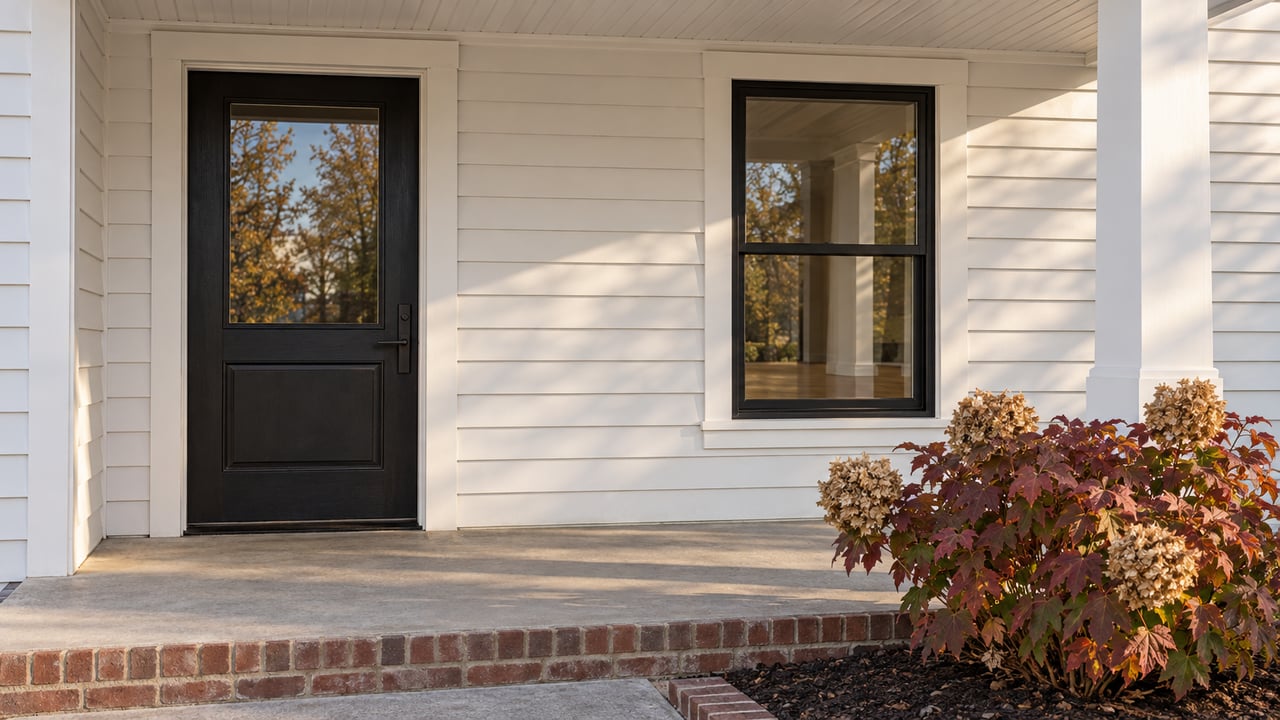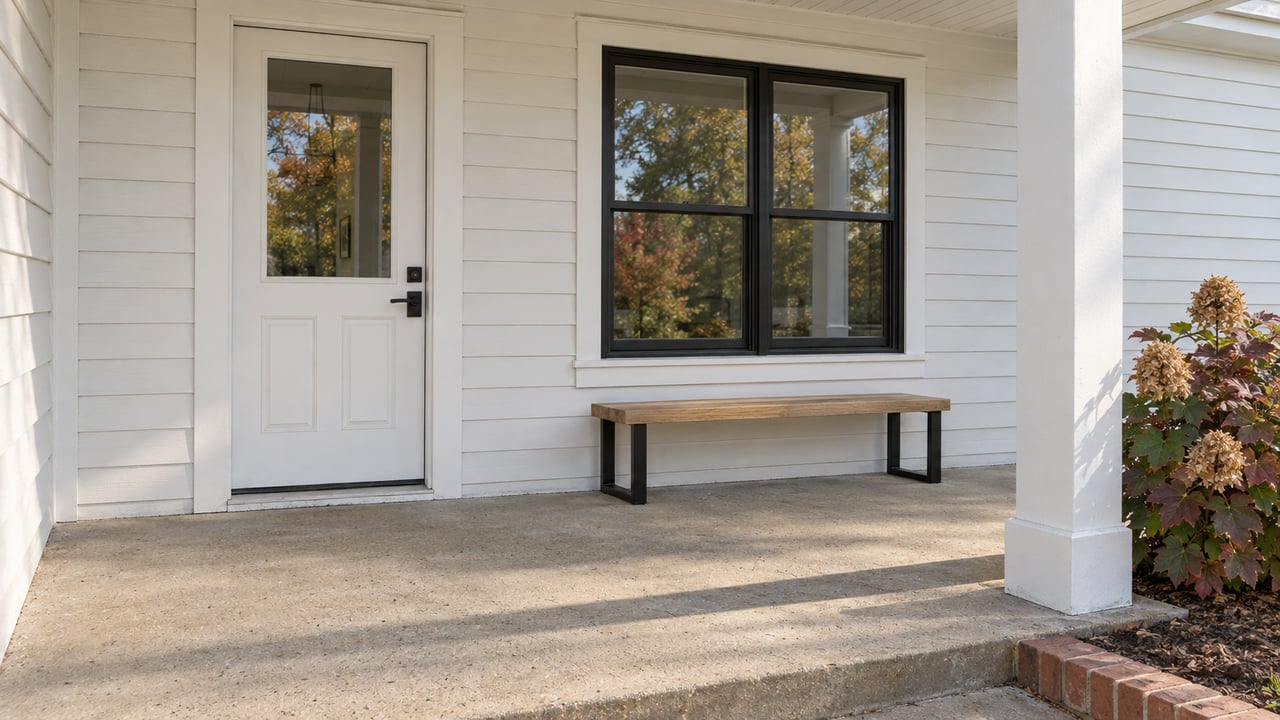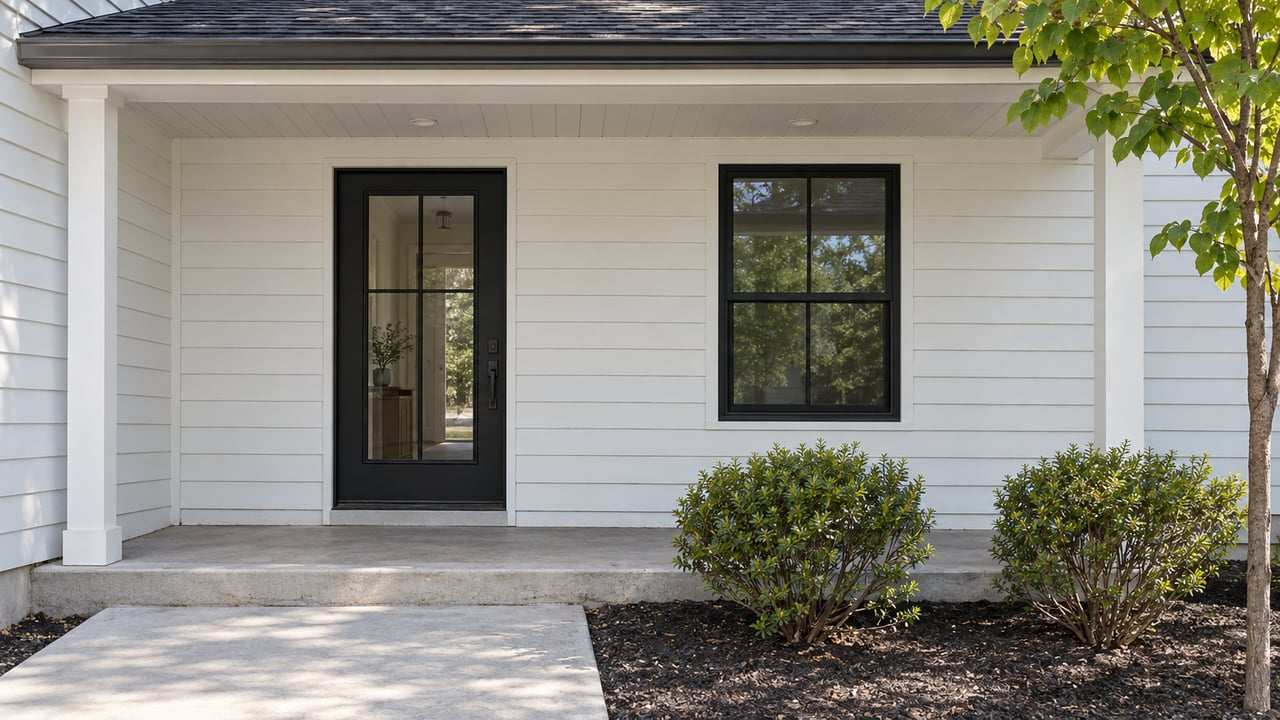
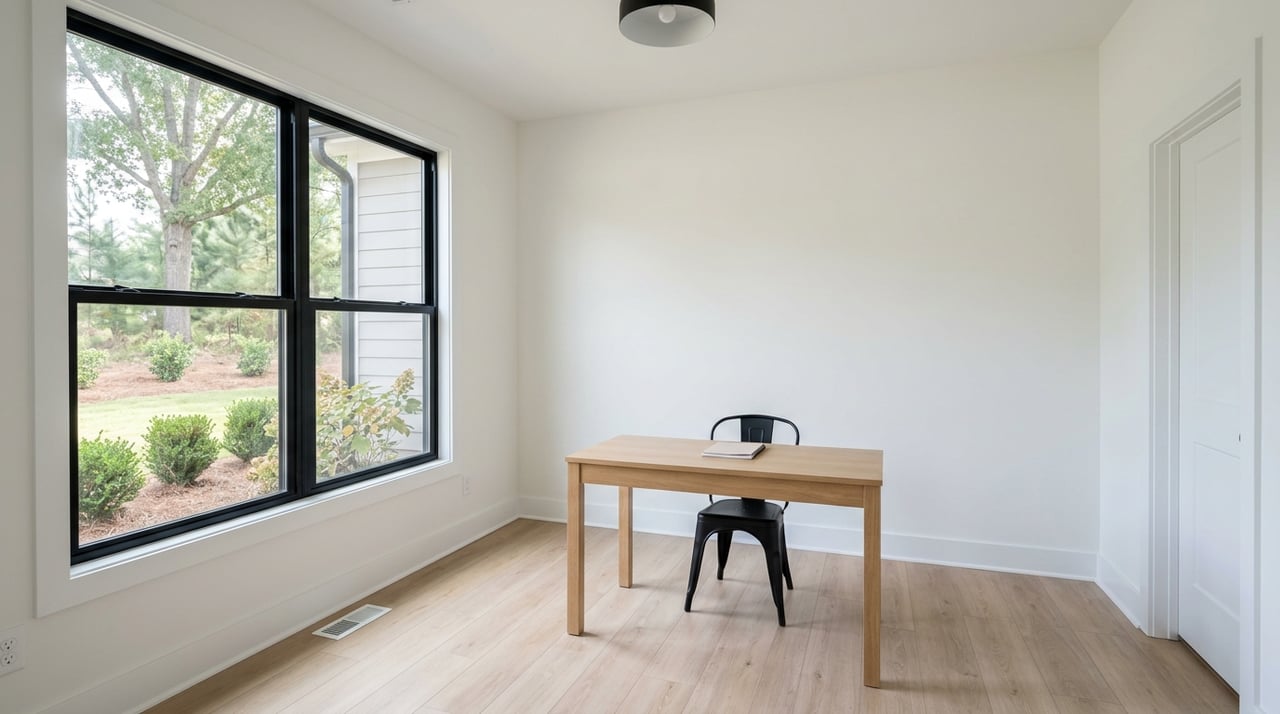
Shopping for a new construction home in Apex can feel exciting and overwhelming at the same time. You may love the idea of a brand-new layout, modern finishes, and fewer repair worries, but you also want to know whether the price, location, and long-term costs make sense for your life. This guide will help you weigh the real pros, tradeoffs, and questions to ask so you can decide with confidence. Let’s dive in.
Why buyers look at Apex new construction
Apex continues to attract attention because it is still growing, not standing still. The town’s April 30, 2026 development report estimated 85,389 residents and 4.2% fiscal-year population growth, while Census QuickFacts showed 75,977 residents in July 2024 and 18.1% growth since 2020.
That growth matters if you are considering a new home. It suggests builders are still adding inventory, new neighborhoods are still taking shape, and the town is continuing to expand services and infrastructure over time.
Apex also has a strong ownership profile. Census data shows a 76.5% owner-occupied rate, a median household income of $144,135, and a median owner-occupied home value of $576,100.
In simple terms, Apex is not usually the place buyers go for the cheapest possible home. It is better viewed as a premium suburban market where many buyers are paying for newer housing, planned-community features, and regional access.
What makes new construction appealing
For many buyers, the biggest draw is predictability. A new construction home often gives you a modern floor plan, newer systems, and less near-term maintenance than an older resale home that may come with aging roofs, HVAC systems, or outdated interiors.
Energy performance is another reason many buyers prefer new homes. The U.S. Department of Energy notes that certified efficient new homes are built for energy savings, comfort, health, and durability, which can make daily living feel easier and more efficient.
You may also like the layout advantages that come with newer homes. Open living areas, more functional kitchens, flexible office space, and better storage tend to fit how many households live today.
For move-up buyers especially, that combination can be a major quality-of-life upgrade. You are not just buying new finishes. You are often buying a home that needs fewer immediate updates and fits current living patterns better.
Apex offers more than just subdivisions
Apex has a stronger town-center feel than many suburbs, which can add to its appeal. The town describes Downtown Apex as a vibrant, pedestrian-friendly historic district, and the Salem Streetscape project is actively reshaping part of North Salem Street through 2026.
That does not mean every new construction buyer will live near the historic core. Still, the presence of a well-known downtown adds character and gives many residents another option for dining, events, and everyday outings.
Outdoor access is another plus. Apex maintains more than 13 miles of public greenways, including access to the 22-plus-mile American Tobacco Trail.
If you want newer construction but still care about recreation and outdoor space, that matters. Even if your neighborhood is farther from downtown, Apex still offers trails and shared spaces that can support an active lifestyle.
Planned communities can add convenience
Many new neighborhoods in Apex are shaped around amenities and shared open space. The town’s budget guide includes a recreation-fee structure for new residential development and an open-space dedication or fee-in-lieu requirement, which suggests that many newer communities are being planned with common areas in mind.
That said, not every neighborhood offers the same experience. One community may include amenities and shared maintenance, while another may be more limited.
Before you commit, verify the details for the specific community you are considering. Focus on:
- HOA dues
- Amenity package
- Landscaping or exterior maintenance responsibilities
- Community rules and design guidelines
- What is included in the builder price versus what costs extra
This step can help you compare homes more accurately. A lower base price does not always mean a lower overall cost if dues, upgrades, or maintenance responsibilities differ.
Apex pricing requires a realistic budget
If you are looking for a bargain, Apex new construction may not be the right fit. Redfin reported a March 2026 median sale price of $633,750 in Apex, compared with $600,000 in Cary, $620,000 in Holly Springs, and $420,000 in Raleigh proper.
That pricing supports an important takeaway. New construction in Apex should generally be viewed as a premium suburban product, not an entry-level shortcut into the Triangle market.
Market pace also matters. Redfin reported 45 median days on market in Apex, with homes receiving about two offers on average.
That does not suggest a frantic market in every case, but it does show steady demand. If you find a new home or community that fits your budget and goals, you may still need to move decisively.
Don’t overlook ownership costs
The purchase price is only part of the equation. For FY 2025-2026, the Town of Apex property tax rate is $0.356 per $100 of assessed value, and Wake County’s FY 2026 tax ordinance levies 51.71 cents per $100.
On a rough $600,000 assessed value, that works out to about $2,136 in town tax and $3,103 in county tax, or about $5,239 combined before any special district taxes or exemptions. That is a meaningful annual cost to add to your budget.
You should also account for HOA dues, insurance, utilities, and builder-related closing costs. New homes can reduce some maintenance pressure early on, but they are not cost-free to own.
In Apex, utilities are also worth confirming before closing. The town provides electric, water, sewer, garbage, recycling, yard waste, and area light services to most locations inside town limits, but it also notes limited-service areas.
The town says a one-time $15 service initiation fee is added to the first utility bill, and a standard residential deposit of $200 may be required depending on credit history. These are not major deal-breakers, but they are part of the real cost picture.
Ask what is included in the builder price
One of the smartest things you can do with new construction is ask detailed pricing questions early. Some development and connection costs may already be built into the sales price, while others may show up through upgrades, lot premiums, or contract terms.
Apex fee schedules show several new-construction-related costs that can influence final pricing. For homes assessed after January 1, 2026, the recreation fee for a single-family detached unit is $4,325.07.
The town’s water and sewer connection documentation also lists fees such as a $2,300 water tap, $2,100 sewer tap, $1,788 water capital reimbursement fee, and $4,290 sewer capital reimbursement fee. In many cases, these are handled on the builder or developer side, but they still affect the final economics of the home.
That is why you should ask direct questions like:
- Is the advertised price the true final base price?
- Are lot premiums included?
- Which design selections are standard?
- Which upgrades cost extra?
- Are appliances, landscaping, and window treatments included?
- Are utility and development-related fees already baked into the contract price?
Clear answers can help you avoid budget surprises. This is especially important if you are comparing multiple builders or communities.
Commute and access are strong, but car use is still the norm
Apex appeals to many buyers because it offers access to multiple parts of the Triangle. The town says Raleigh-Durham International Airport is about 15 minutes away via I-540, which can be a real plus if you travel often.
The town also lists several transit options, including GoApex Route 1 with free hourly service from 6 a.m. to 10 p.m., Monday through Saturday, GoCary Route 9 between Apex and Cary, and GoTriangle Route 305 between Raleigh, Apex, and Holly Springs. GoTriangle Route 311 to RTP is scheduled to begin in August 2026.
Even with these options, Apex is not a dense transit market. Redfin classifies Apex as car-dependent with a Walk Score of 26 out of 100.
That means most day-to-day errands, work trips, and activities will still likely involve driving. If your top priority is a walkable urban lifestyle, Apex may not match what you want.
Future road projects could improve access
There is also a long-term infrastructure angle to consider. NCDOT’s Complete 540 project will extend the Triangle Expressway from the N.C. 55 Bypass in Apex toward the eastern Wake County side of the loop, and the project is scheduled for completion in 2028.
According to NCDOT, the project is intended to help connect Apex with surrounding communities and ease traffic on roads including I-40, I-540, N.C. 55, and Ten-Ten Road. For buyers thinking several years ahead, that could strengthen regional access over time.
Still, road improvements can come with a near-term tradeoff. You should expect some ongoing construction activity and possible detour effects while major transportation projects continue.
Who Apex new construction fits best
A new construction home in Apex may be a strong fit if you want a newer layout, lower near-term maintenance, and a neighborhood setting with potential amenities or shared open space. It can also make sense if you value access to Raleigh, Cary, Holly Springs, or RTP through multiple travel corridors.
This type of home may be especially appealing if you are moving up in price point and want a more polished, move-in-ready experience. Buyers who prioritize comfort, energy performance, and practical floor plans often see the value in paying more upfront for a newer home.
On the other hand, Apex may be less attractive if your top goal is the lowest possible purchase price. It may also be a poor match if you want a more urban, walkable, lower-car lifestyle.
The key is to compare your real priorities against the real tradeoffs. Apex offers a lot, but it asks you to pay for that package.
How to decide with confidence
If you are torn between Apex and nearby alternatives, start with the basics. Compare monthly payment, taxes, HOA dues, commute patterns, and what you actually get in the home and community.
Then think beyond the listing sheet. Ask yourself whether you value a newer home enough to justify the premium, and whether the location supports the way you expect to live day to day.
A smart decision is not about choosing the newest or most impressive option. It is about choosing the home that best matches your budget, routines, and long-term plans.
If you want help thinking through new construction from both a build-quality and real-world ownership perspective, Ace Development Group brings a practical, hands-on approach to the process. Schedule a consultation with Ace and start your build or tour a home today.
FAQs
Is Apex, NC a good place to buy a new construction home?
- Apex can be a good fit if you want a premium suburban location, newer floor plans, access to greenways and regional corridors, and a home with lower near-term maintenance than many older resales.
Are new construction homes in Apex more expensive than nearby areas?
- Apex is generally a higher-priced market. Redfin reported a March 2026 median sale price of $633,750 in Apex, compared with $600,000 in Cary, $620,000 in Holly Springs, and $420,000 in Raleigh proper.
What ownership costs should you expect in Apex?
- In addition to your mortgage, you should budget for town and county property taxes, HOA dues if applicable, utilities, insurance, and any builder-related closing costs or upgrade expenses.
Is Apex walkable for daily life?
- Apex has a pedestrian-friendly downtown area and trail access, but overall it is still a car-dependent town. Redfin lists a Walk Score of 26 out of 100, so most daily errands and trips will likely require driving.
What should you ask before buying a new construction home in Apex?
- Ask what is included in the base price, whether lot premiums and upgrades apply, what the HOA covers, which utilities serve the property, and whether development-related fees have already been built into the contract price.