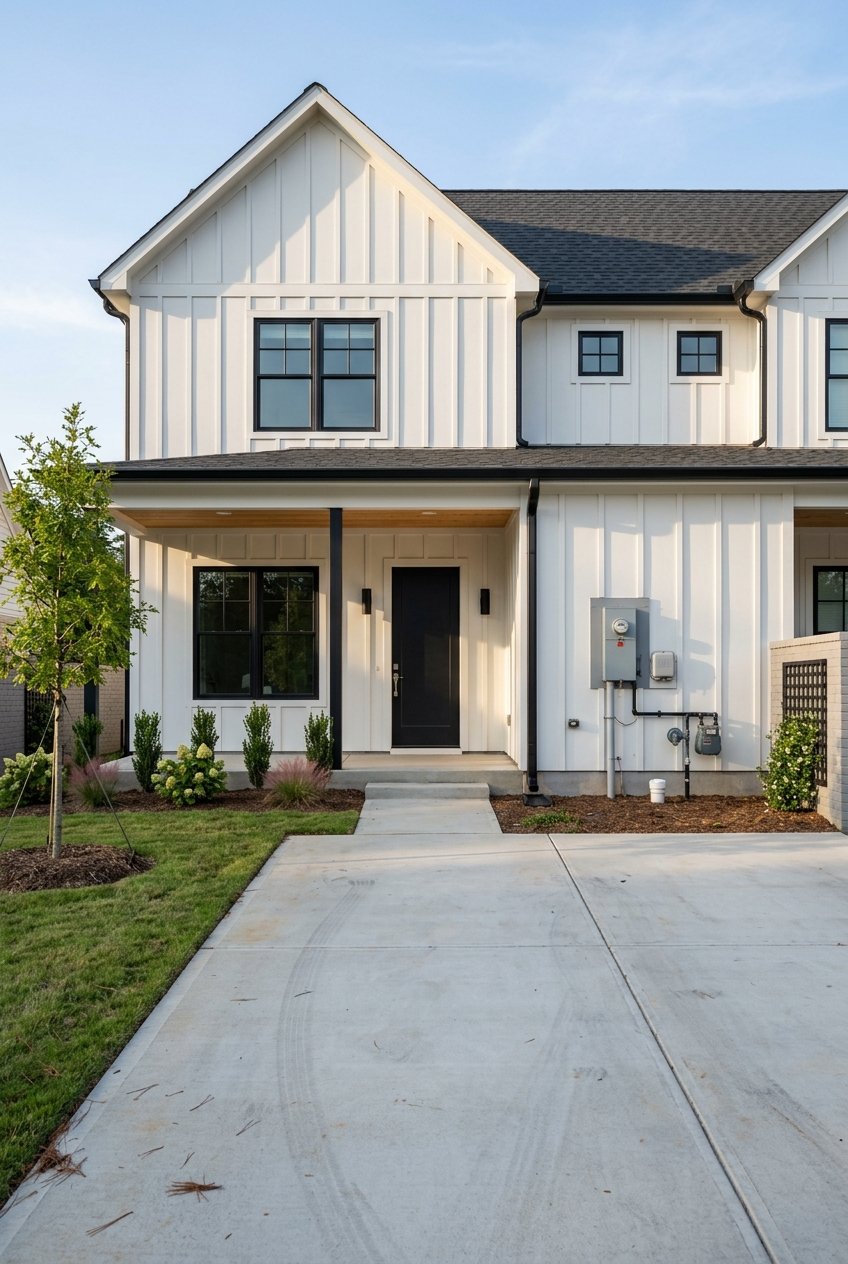
Thinking about building on a vacant lot in Raleigh? An infill lot can look like a simple opportunity, but the process often depends on details that are easy to miss early on. If you understand how Raleigh reviews infill projects before you buy, design, or submit plans, you can avoid delays and make smarter decisions from the start. Let’s dive in.
What Raleigh Means by Infill
Raleigh treats residential infill as development in existing residential neighborhoods or on vacant parcels within previously built areas. The city’s goal is compatible development that reinforces neighborhood character and reduces impacts on nearby homes.
That matters because an infill lot is not always reviewed the same way as a more typical residential parcel. Raleigh says infill properties can be subject to setback, side-wall height, and building-height rules that differ from the base zoning district.
Why Infill Status Comes First
One of the most important early steps is verifying whether your parcel is considered infill. Raleigh recommends confirming that status before you submit a permit application because missing it can delay review.
In practical terms, this means you should not assume zoning alone tells the full story. A lot may appear buildable on paper, but infill compatibility rules can still shape what you can place on the site and how the home must fit the surrounding context.
Check the Parcel Before You Design
Before you buy the lot or spend money on plans, Raleigh’s process points to a few key checks. These can help you spot issues that affect cost, timing, and whether the project works the way you expect.
Confirm the recorded map
Raleigh says the property should have a legally recorded map at the Wake County Register of Deeds. If that record is unclear or missing, it can create problems later in the permit process.
Review historic status
If the lot is in a local historic overlay or on a Raleigh Historic Landmark property, exterior work requires a Certificate of Appropriateness before work begins. This review is separate from other city permits, so it needs attention early.
Check private well or septic conditions
If the property has a private well or septic system, Raleigh says approval from Wake County Environmental Services is required before applying to the city. That can affect both schedule and site planning.
Look for floodplain and buffer constraints
Lots near flood hazard areas, streams, or protected watershed areas often need more review. Raleigh says work in or near a designated flood hazard area requires a flood permit, and elevation certificates may also be required.
The city also notes special requirements for the Neuse River buffer and watershed protection areas such as Upper Neuse River/Richland Creek, Falls Lake, and Swift Creek. In these areas, stormwater treatment requirements and impervious-surface limits can affect what you build and how you design the site.
Know the Rules That May Change the Plan
The main local rulebook for this process is Raleigh’s Unified Development Ordinance, which covers land use, zoning, subdivision, stormwater, and natural resource protection. For infill lots, those rules often affect the house footprint just as much as the lot size does.
A buildable lot does not always mean a straightforward build. Setbacks, building height, side-wall height, drainage conditions, and protected areas can all narrow your options before final plans are ready.
Variances may be required
If your project cannot meet the applicable standards, Raleigh says Board of Adjustment approval is required for a variance. This is another reason due diligence should happen before final design work begins.
Understand Raleigh’s Permit Sequence
Raleigh’s process for a new single-family home or duplex is built around sequencing. The city’s system is less about one approval and more about moving through the right steps in the right order.
Applications are submitted through the Permit and Development Portal. Raleigh says detailed code review does not begin until customer service has deemed the application complete.
What Raleigh requires for submittal
For a new single-family dwelling or duplex, Raleigh’s required packet includes:
- Residential Permit Application
- Site plan or survey
- Residential Permit Data Form
- Lien agent information
- Construction drawings with elevations
A plan review fee is due before review begins. Other permit fees are due when the permit is ready for issuance.
Why complete applications matter
Raleigh uses the portal to manage the project, pay fees, schedule inspections, and view review comments. The city also says if contractor information is incomplete when a permit is otherwise ready, plans may be held for up to six months before the application is voided.
That makes completeness a major part of your timeline. Even a good house plan can stall if the submission package is missing required details.
What Timelines Usually Look Like
Raleigh publishes benchmark review times for residential permits. These are goals, not guarantees, but they give you a helpful starting point for planning.
Typical benchmarks include:
- Intake for residential portal submissions: 3 to 5 business days
- First review for a new residential single-family, duplex, or townhouse permit: 10 business days
- Additional reviews: 5 business days each
- Final review: 1 to 3 business days
Raleigh also says staff will reach out to help resolve issues if a project takes more than three review submittals. That can be helpful, but it is still better to avoid repeated corrections by preparing thoroughly on the front end.
Utilities Can Be a Separate Track
One of the biggest surprises on infill lots is that utility work may move on its own timeline. Raleigh says water and sewer service permitting is part of any project that needs a connection to the city system.
This can include utility connection permits, stub permits, and plumbing utility work from the property line to the foundation. For work in the public right-of-way, contractors must provide a Certificate of Eligibility and a bond of up to $5,000.
Even when the lot itself seems simple, utility coordination can become a key scheduling item. Raleigh also notes that individual utility connection permits may be applied for after infrastructure is installed during residential building plan review.
Grading and Stormwater Often Drive Delays
On many infill sites, the critical issue is not the house design. It is grading, drainage, or stormwater compliance.
Raleigh says projects that add 800 square feet or more of impervious surface, or that concentrate flow into a channel, pipe, or downspout, must meet lot grading plan requirements. That means driveways, roofs, and hard surfaces can affect your review path.
For land disturbance, Raleigh requires a land disturbance permit when 12,000 square feet or more is disturbed. Even on single-family lots below that threshold, the city still requires erosion-control measures such as a stone construction entrance and silt fence.
Why site conditions matter so much
If the parcel is near a floodplain, watercourse buffer, or watershed protection area, the site plan may become the most important part of the project. In those cases, what looks like a standard homesite can require additional permits, design changes, or limits on impervious surface.
Inspections and Occupancy
Once construction begins, Raleigh’s residential inspection sequence usually includes footing, foundation or crawl space, rough-ins, framing, insulation, and final building inspection. These are scheduled through the portal.
Raleigh says a new building cannot be legally occupied until a Certificate of Occupancy has been issued. For a new building, the Certificate of Occupancy is issued the same day once the project has passed inspection.
That final step matters for planning your move, your closing, or your resale timeline. Until the Certificate of Occupancy is issued, the home is not ready for legal occupancy.
A Simple Raleigh Infill Checklist
If you are evaluating a lot or preparing to build, this is a practical way to think about the process:
- Verify whether the parcel is classified as infill.
- Confirm the lot has a legally recorded map.
- Check for historic overlay or landmark status.
- Review private well or septic conditions, if any.
- Identify floodplain, Neuse buffer, or watershed constraints.
- Confirm whether grading or stormwater requirements apply.
- Prepare a complete permit package in Raleigh’s portal.
- Coordinate utility permits and right-of-way requirements, if needed.
- Schedule inspections in sequence.
- Obtain the Certificate of Occupancy before move-in or final turnover.
Why Coordination Matters on Infill Lots
Raleigh’s process shows that infill building is really about coordination. Zoning, infill compatibility, historic review, stormwater, utilities, inspections, and closeout all have to line up.
That is why many buyers, landowners, and small-scale developers look for a team that can manage the project from due diligence through build-out. Fewer handoffs can mean fewer missed steps, especially when one overlooked requirement can pause the whole schedule.
For clients who value a more streamlined process, that kind of end-to-end coordination can make a real difference. Ace Development Group brings a hands-on, single-point-of-contact approach to land acquisition, permitting, utilities, site prep, construction, and resale support so you can move forward with more clarity and confidence.
FAQs
How do you know if a Raleigh lot is an infill lot?
- Raleigh recommends verifying infill status before submitting a permit application, because if infill rules apply and are missed, review can be delayed.
What rules can change when a Raleigh parcel is treated as infill?
- Raleigh says infill properties may be subject to setback, side-wall height, and building-height rules that differ from the base zoning district.
Does a Raleigh infill lot need historic review?
- If the property is in a local historic overlay or is a Raleigh Historic Landmark, exterior work requires a Certificate of Appropriateness before work begins.
What permits might apply near a Raleigh floodplain or stream buffer?
- Raleigh says work in or near a designated flood hazard area requires a flood permit, and projects near the Neuse River buffer or in certain watershed protection areas may need added review or permits.
How long does Raleigh permit review usually take for a new home?
- Raleigh lists benchmark timelines of 3 to 5 business days for intake, 10 business days for first review, 5 business days for additional reviews, and 1 to 3 business days for final review, though these are goals rather than guarantees.
When can you occupy a newly built home in Raleigh?
- Raleigh says a new building cannot be legally occupied until a Certificate of Occupancy has been issued after the project passes final inspection.