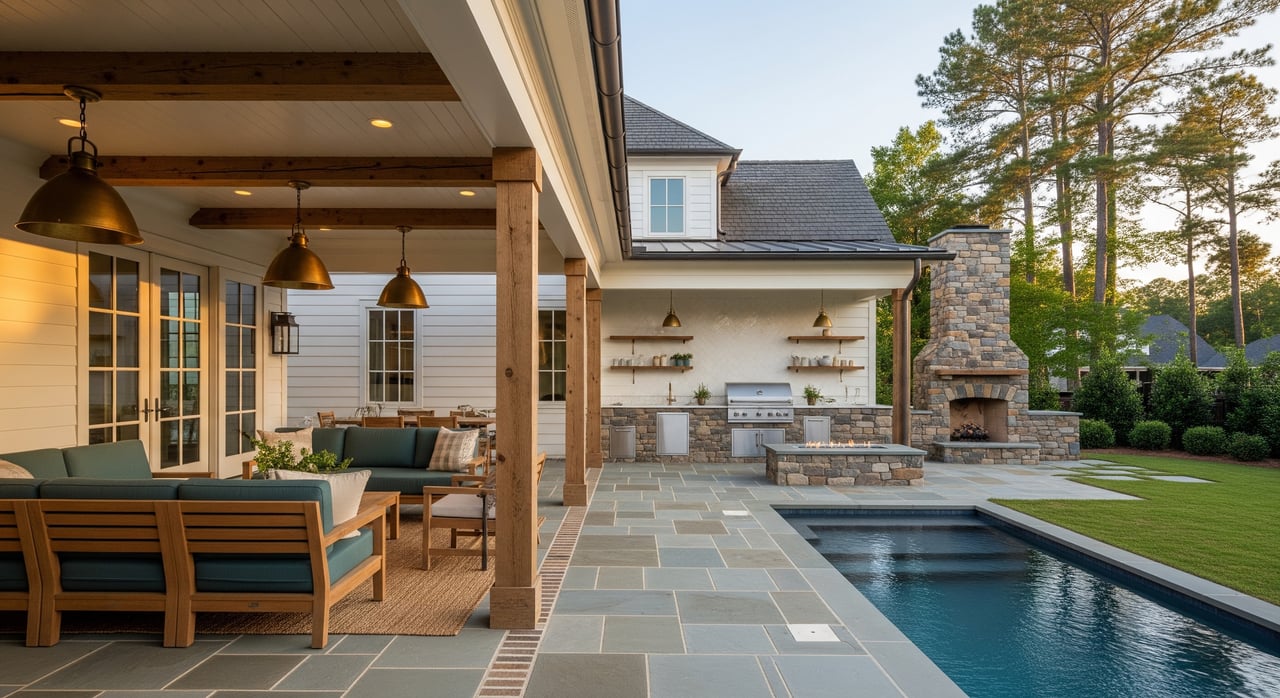
Ready to make your backyard work harder for you? In Fayetteville, you get long warm seasons and plenty of sunny days, but you also deal with humidity, mosquitoes, and the occasional storm. With the right plan, you can enjoy more evenings outside, less upkeep, and a space that adds real value when it is time to sell. This guide walks you through smart outdoor living ideas that fit local lot sizes, HOA rules, and our climate. Let’s dive in.
Design for Fayetteville’s climate
Fayetteville sits in a humid subtropical zone with hot, humid summers and generally mild winters. Spring and fall are the most comfortable months for outdoor time, while summer calls for shade, airflow, and mosquito control. You should plan for heavy rain events and periodic tropical systems, so drainage and wind-smart choices matter. The area commonly falls around USDA Zone 8a to 8b, which gives you a wide plant palette with the right placement.
Soils vary across the Sandhills and Piedmont transition, from sandy and fast-draining to heavier pockets. If you are planting or grading, a simple soil test helps you choose the right amendments and avoid drainage issues. On most suburban lots, rear yards are modest in size, which means multipurpose spaces and good storage go a long way.
Shade and comfort solutions
Start with shade and airflow, since they drive summer comfort. A covered patio or a screened porch with a ceiling fan extends your usable hours and keeps bugs at bay. Retractable awnings and canopies are cost-effective if you want flexibility or you are not ready for a permanent structure.
Pergolas work well on compact patios and can carry fabric panels or vines for layered shade. Plan any new shade tree on the west or southwest side to cut late-afternoon heat without crowding your house. Add roll-up sun shades where the afternoon glare is strongest to make dinner-hour hosting easier.
Screened porches that work
Screened porches are a standout in Fayetteville because they tackle mosquitoes while keeping the breeze flowing. If you already have a deck, enclosing the footprint with aluminum screen framing can lower maintenance compared to wood. Include a ceiling fan, low-profile lighting, and roll-down shades to handle heat and sun.
If you want more year-round use, consider a sunroom or a partially enclosed porch. A mini-split system can take the edge off cool mornings without tying into your main HVAC. Whatever you build, proper roof flashing and gutter tie-ins are essential to prevent moisture problems where the new roof meets the house.
Smart patios, decks, and pergolas
A small paver or concrete patio paired with a pergola is a strong choice for compact yards. Permeable pavers help with drainage on tight lots and reduce standing water after storms. If you prefer a deck, composite boards cut down on annual sealing and hold up well in humidity, while pressure-treated pine is more budget friendly and just needs regular inspections and maintenance.
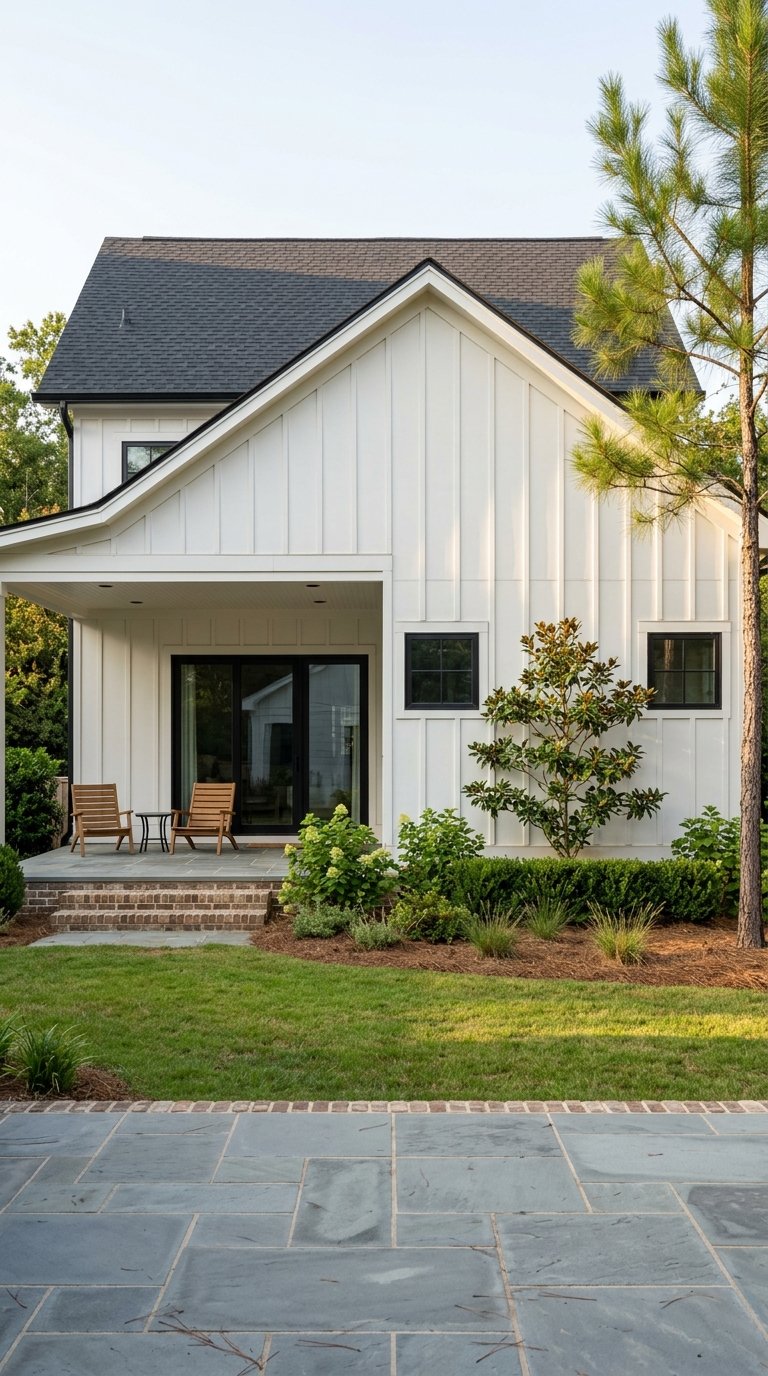
Think about flow from the kitchen or family room to the backyard. A covered step-out zone makes grilling easier and boosts daily use. If you want shade without a full build, install a retractable canopy. It will give you sun protection on demand and is simple to remove for storm prep.
Pools, water, and play with less upkeep
On small or medium lots, a plunge pool or a well-placed above-ground pool can deliver the refresh you want with less space and lower cost than a full in-ground system. Always check your HOA for placement, fencing, and screening rules before you buy. For lower effort, consider a stock-tank style plunge or a compact spa for year-round comfort.
If kids or pets use the yard heavily, choose durable surfacing under play sets. Rubber mulch, engineered wood fiber, or an artificial turf strip keeps mud down and reduces mowing around equipment. A simple gravel patio with a gas or composite fire pit can create a social area that cleans up fast after storms.
A planting palette that thrives
Choose trees and plants that handle heat and humidity with minimal fuss. For shade and structure, crape myrtle, Southern magnolia, and Eastern redbud perform well with the right placement. Live oak is excellent where you have room, and loblolly pine can help with screening if you manage needles away from entries and gutters.
For privacy hedging and evergreen texture, yaupon holly, wax myrtle, Carolina laurel cherry, and loropetalum are solid picks. Add bursts of color and pollinator value with black-eyed Susan, coneflower, salvia, and bee balm. Groundcovers like liriope, mondo grass, and native grasses can fill beds and keep weeds down.
For lawns, warm-season grasses such as bermudagrass and zoysia do well in summer heat. Some homeowners over-seed with cool-season grass for winter green, but that adds care and cost. If you want less maintenance, reduce the lawn footprint with groundcover beds and use artificial turf in small, high-traffic zones.
Irrigation and drainage made simple
Drip irrigation in plant beds delivers water directly to roots and cuts waste. Pair it with a smart controller and a rain or soil moisture sensor to avoid over-watering during damp weeks. On small lots where neighbors sit close, plan for surface runoff with gentle swales, raised beds, and permeable hardscape to keep water moving away from structures.
If you are adding a new patio or walk, aim water toward lawn or bed areas that can absorb it. Avoid pushing runoff toward fences or across property lines. Good grading and a clean gutter system will keep your outdoor space usable after summer downpours.
Storage, lighting, and furniture built for busy weeks
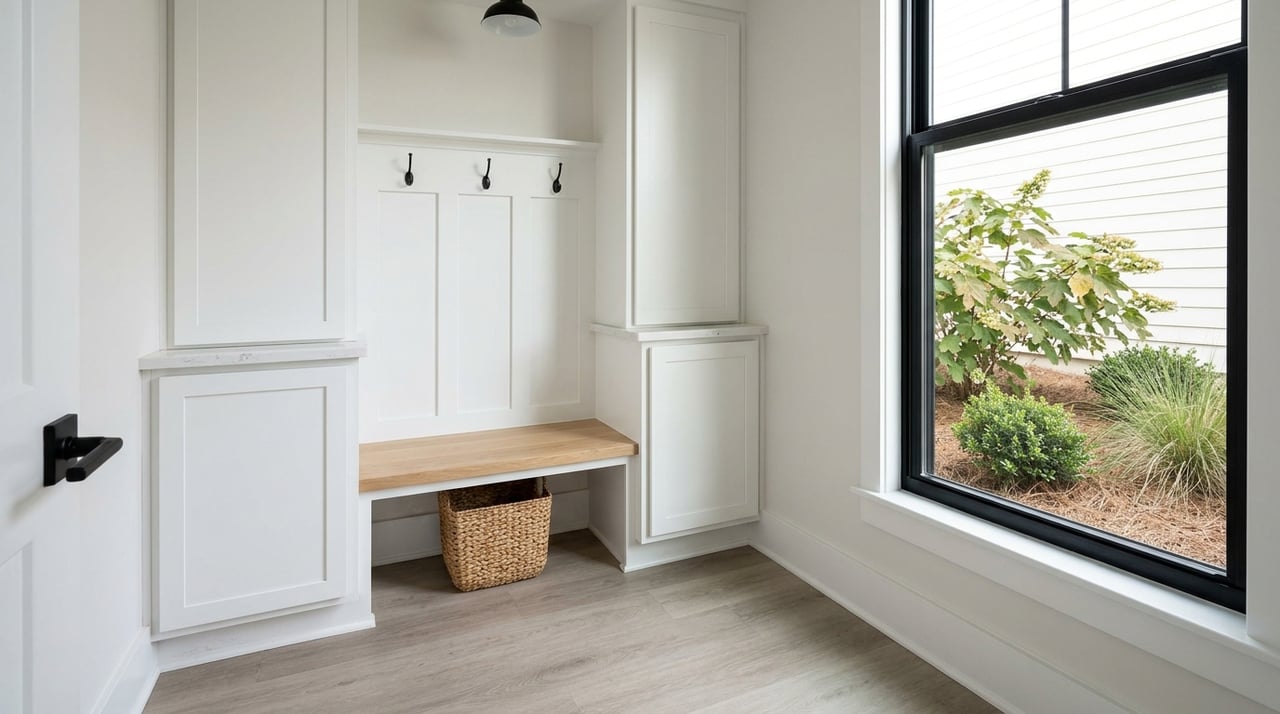
You will use your outdoor space more when everything has a home. Built-in benches with storage, deck boxes, and compact sheds keep cushions, toys, and grilling gear dry and ready. If you travel or work irregular hours, a lockable deck box or shed makes departure prep faster.
Layer your lighting for safety and ambiance. Combine low-voltage path lights, task lighting for cooking, and warm ambient fixtures for seating areas. Choose outdoor-rated LEDs for long life, and consider timers or smart controls. Use solution-dyed outdoor fabrics and quick-dry foam on cushions, and store them during storm season for longer life.
Storm-ready choices and permit tips
Tropical systems can bring wind and heavy rain, so plan for resilience. Choose wind-rated fixtures and anchor pergolas and freestanding covers. Place new trees a safe distance from rooflines and power lines, and keep them pruned for healthy structure.
Permits are common for pools, large decks, roofed porches, and any outdoor kitchen with electrical or plumbing. Ground-level patios and small awnings may not need permits, but you should confirm with the City of Fayetteville or Cumberland County before starting. Many neighborhoods have HOA guidelines for fences, sheds, screened porches, and front landscaping, so review your covenants early to avoid delays.
Project ideas and typical budgets
Here are ideas that fit common Fayetteville lot sizes and schedules:
- Small screened porch upgrade: Enclose an existing deck, add a ceiling fan and recessed lights for bug-free evenings. Typically a mid-range project with high daily use and strong buyer appeal.
- Covered patio off the kitchen: A composite deck or concrete slab with a roof or pergola creates a natural extension of your living space.
- Gravel patio with fire pit: Low-cost, fast to install, and simple to maintain. Consider a gas fire pit for clean, easy on and off.
- Native pollinator strip with raised beds: Use the fence line for perennials and add two raised beds for herbs. It is compact and easy to care for.
- Shade-tree strategy: Plant two deciduous trees on the west side to cut late-day heat and make outdoor time more comfortable.
- Artificial turf play strip: Keep a clean, dry space for kids or pets while reducing mowing.
In general, gravel patios, plant refreshes, and awnings land in the lower-cost tier. Screened porches, paver patios, and pergolas sit in the mid-range. New covered additions, in-ground pools, and full outdoor kitchens are higher cost and take longer to permit. Well-designed, low-maintenance spaces tend to attract buyers in suburban neighborhoods and can support resale value when executed cleanly.
Seasonal checklist for low maintenance
You can keep care simple with a seasonal routine:
- Spring: Clean gutters, test irrigation, refresh mulch, and fill in planting gaps.
- Summer: Check irrigation settings during hot spells, prune lightly, and manage mosquitoes by removing standing water.
- Fall: Prune shade trees as needed, winterize irrigation, and mulch beds to protect roots.
- Winter: Handle major pruning during dormancy and map projects for spring.
Many busy households use quarterly service visits and a seasonal deep clean to stay on top of the big items with less week-to-week work.
Make a plan that fits your lot
Start by mapping sun, shade, and wind across your yard. Measure setbacks, note any easements, and list HOA requirements that affect fences, structures, or front-yard plantings. Get a quick soil test if you are adding beds or changing grade.
Sketch zones that match your routine, such as a grilling area near the kitchen, a shaded dining spot, and a small play or garden strip. Prioritize one or two upgrades that deliver the biggest daily benefit, then phase the rest over time. When you are ready, request bids that include drainage details, material choices, and permit steps.
If you want a coordinated plan and a predictable timeline, partner with a local team that understands both construction and the market. A builder-broker group with in-house trades can streamline permitting, site work, and finish choices so you spend more time enjoying your yard and less time managing moving parts.
Ready to create an outdoor space that works for your Fayetteville life? Schedule a consultation with Ace Development Group. Start your build or tour a home today.
FAQs
What outdoor features work best in Fayetteville’s humid climate?
- Prioritize shade and airflow with a screened or covered porch, add ceiling fans, and use heat-tolerant plantings to stay comfortable through summer.
Do I need a permit for a screened porch or large deck in Fayetteville?
- Many roofed porches, large decks, and projects with electrical or plumbing require permits, so confirm specifics with the City of Fayetteville or Cumberland County before starting.
Which low-maintenance grasses and plants handle our summers?
- Bermudagrass and zoysia do well for lawns, while crape myrtle, yaupon holly, loropetalum, salvia, and black-eyed Susan perform with minimal fuss in heat.
How can I cut mosquitoes without heavy spraying?
- Use a screened porch, eliminate standing water, run outdoor fans during gatherings, and target larval control for known breeding spots.
Are plunge pools practical on small suburban lots?
- Yes, small plunge or above-ground pools fit many medium and compact yards, but always check HOA rules and permit requirements first.
How do I prepare outdoor structures for tropical storms?
- Anchor pergolas and freestanding covers, choose wind-rated fixtures, prune trees away from roofs, and keep gutters clear for proper drainage.