Moving to Fort Bragg can put you on a tight timeline, and one of the biggest questions is simple: should you rent first or buy a new home right away? If you are weighing costs, flexibility, maintenance, and the realities of military orders, you are not alone. The good news is that the Fort Bragg area gives you several workable paths, and each one fits a different PCS plan. Let’s break down what matters so you can make a confident move.
Start With Fort Bragg Housing Rules
Before you sign an off-post lease or buy a home, Fort Bragg’s Housing Services Office says you should report to the office first. The HSO also warns service members not to send housing deposits before contacting the office, which can help you avoid costly mistakes during a rushed move. You can review Fort Bragg housing guidance directly through the Housing Services Office.
If you are making a CONUS PCS move, temporary lodging support may also help bridge the gap while you search. Fort Bragg notes that Temporary Lodging Expense support is available, with local reimbursement limited to 21 days. That makes timing especially important if you need a short runway before choosing between renting, on-post housing, or buying.
Compare the Local Fort Bragg Market
The housing picture around Fort Bragg is relatively balanced, not overheated. In Fayetteville, home values average about $253,323, homes go pending in around 41 days, and Zillow’s one-year forecast is modestly positive. Cumberland County’s median sale price was $251,500 in February 2026, down 1.4% year over year.
Prices also vary by nearby area, which can affect your monthly payment and resale strategy. Research cited for Cumberland County shows price points around $245,000 in Fayetteville, $215,450 in Spring Lake, $279,500 in Hope Mills, $270,000 in Parkton, and $344,445 in Anderson Creek. For PCS buyers, that range matters because commute, budget, and future marketability often need to work together.
On the rental side, Fayetteville rents are still lower than many military markets. According to Zillow rental market data, average rent runs in the mid-$1,400s, with one market figure at $1,476 and average three-bedroom rent around $1,595. Zillow also reports rents are up 2.8% year over year, so renting may be the lower-entry option, but it is not a fixed-cost option forever.
Why New Construction Appeals to PCS Buyers
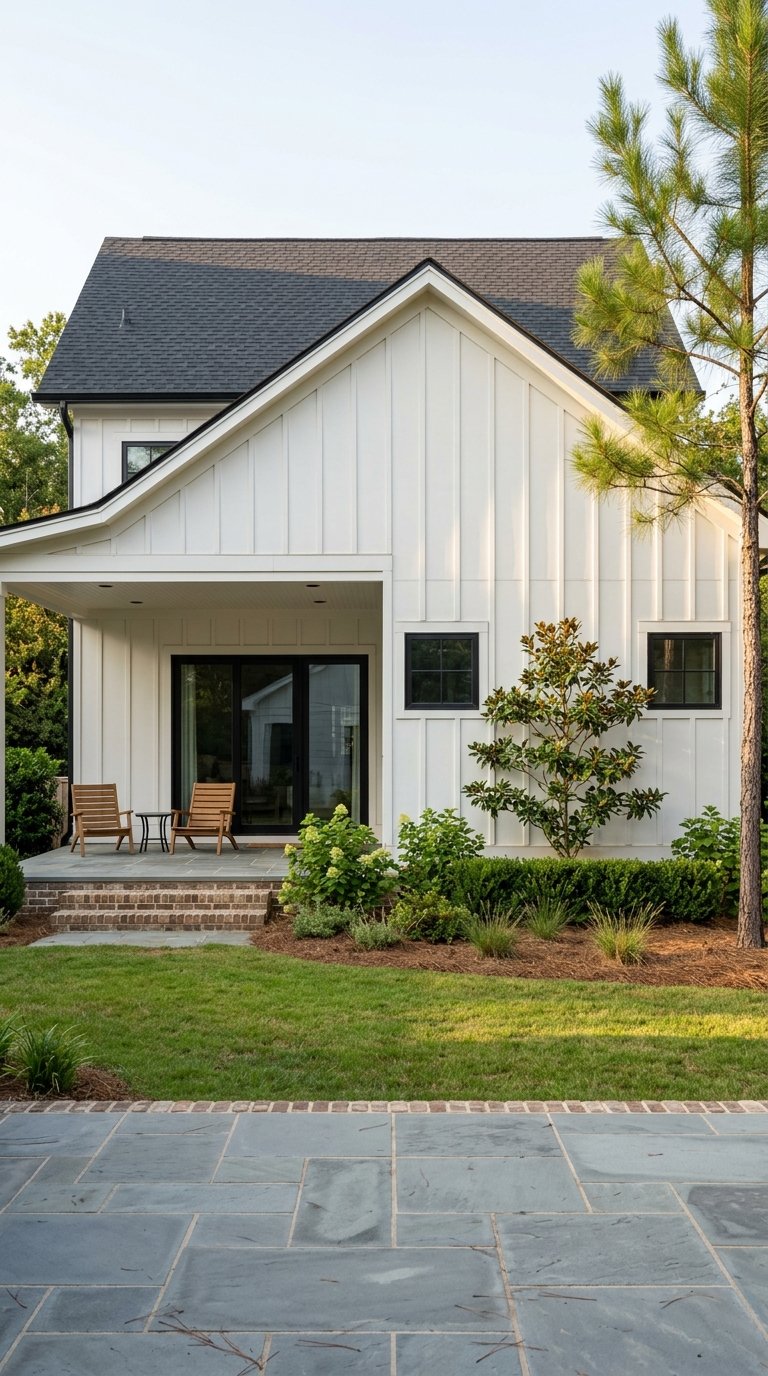
If you want predictability, a newly built home can be attractive during a military move. One of the biggest benefits is lower early maintenance risk, which can be especially valuable when you are settling into a new duty station and learning a new area. For many buyers, that peace of mind is a major advantage.
New homes also often come with builder warranty coverage. The Federal Trade Commission explains that typical new-home warranty coverage may include one year for workmanship and materials, two years for systems like HVAC, plumbing, and electrical, and up to 10 years for major structural defects. That does not remove all risk, but it can reduce the chance of large repair surprises right after move-in.
If you are planning to use a VA loan, there is another detail worth knowing. The FTC notes that FHA and VA generally require builders of newly built homes financed with those loans to provide third-party warranty protection. For military households who want a home with a cleaner maintenance profile up front, that can add useful reassurance.
The Main Cost Tradeoff of Buying New
The biggest downside to buying a new home near Fort Bragg is usually cash needed at closing. Even when a VA-backed loan allows no down payment and no monthly mortgage insurance, you still need to plan for closing costs and possibly a funding fee. The VA funding fee chart shows that first-use VA buyers with less than 5% down typically pay a 2.15% funding fee unless exempt.
The Consumer Financial Protection Bureau says closing costs usually run about 2% to 5% of the purchase price, excluding the down payment. On a $251,500 home, that works out to roughly $5,030 to $12,575. If the VA funding fee applies, that adds about $5,407, bringing the estimated total cash-to-close range to about $10,437 to $17,982 before any down payment.
Monthly cost matters too. As of 03/26/2026, Freddie Mac’s weekly average mortgage rate was 6.38%. At that rate, principal and interest on a $251,500 home is about $1,570 per month, and with Cumberland County property tax the payment is around $1,674 before insurance or maintenance. If the home is inside Fayetteville city limits, where the city tax rate stacks on top of the county rate, the estimate rises to about $1,769.
That comparison is important because average Fayetteville rent is currently lower. In simple terms, buying new may offer more stability in the home itself, but it often costs more upfront and more per month than renting, at least at today’s rates.
Why Renting May Make Sense First
For many PCS moves, renting off base is the easiest way to keep your options open. It usually requires less upfront cash, gives you time to learn the market, and creates a simpler exit path if your plans change. If your orders are short, uncertain, or still evolving, flexibility can be worth a lot.
North Carolina law also gives you a clear framework for deposits. Under North Carolina security deposit rules, landlords can charge up to 1.5 months’ rent for month-to-month leases and up to two months’ rent for longer leases. At Fayetteville’s mid-$1,400s rent levels, that means a legal maximum upfront deposit of about $2,214 for month-to-month or about $2,952 for a longer lease.
When you add first month’s rent, your upfront cost could be around $3,690 to $4,428 before application fees, pet fees, or renters insurance. That is still far below the estimated buyer cash-to-close example above. For households trying to preserve savings during a PCS, that difference can be the deciding factor.
Renting does come with tradeoffs. You do not build equity, rent can increase when you renew, and you still need to budget for renters insurance. Fort Bragg’s HSO notes that renters insurance is required in most scenarios on and off post.
Lease Flexibility Matters for Military Moves
If you choose to rent, be sure to review lease-break terms before signing. The CFPB’s SCRA guidance explains that servicemembers can terminate certain housing leases by providing written notice and a copy of orders, or a commanding officer letter. In that situation, the lease ends 30 days after the due date of the next rent payment.
That protection can make renting a strong fit if you expect uncertainty. It does not mean every lease issue disappears, but it does give military households a defined off-ramp if orders change. Fort Bragg HSO also assists with landlord-tenant disputes, which adds another layer of local support.
Don’t Overlook On-Post Housing
If you are comparing only renting off base versus buying, it helps to remember there is a middle option. Fort Bragg says on-post family housing is managed through the Army Residential Communities Initiative and Corvias, with DPW Housing overseeing the system. For many households, that setup can feel more maintenance-managed than owning while still offering more structure than a typical apartment search.
Fort Bragg notes that maintenance requests for on-post housing go through a hotline or online system, with emergency response targets of one hour or less, urgent requests within 48 hours, and routine work completed within six days. That can be appealing if you want housing where maintenance is more centralized during your transition. You can review those details on the Fort Bragg DPW housing page.
How to Decide What Fits You Best
There is no one-size-fits-all answer for a PCS move to Fort Bragg. The better question is which option fits your timeline, cash position, and tolerance for uncertainty. In most cases, your decision comes down to four practical issues:
- How long you expect to stay
- How much cash you want to commit upfront
- How much maintenance responsibility you want
- How important a simple exit strategy is if orders change
If you expect a shorter stay or want flexibility, renting often makes the most sense. If you want a more stable long-term setup and can comfortably handle cash-to-close, buying a new home may be worth a closer look. If you want maintenance support without owning right away, on-post housing can sit in the middle.
For buyers who do want new construction, this is where a local builder-broker perspective can help. A team that understands Fort Bragg relocation timing, VA buyers, construction quality, and resale strategy can make the process more predictable from the start. If you want to talk through your move and explore available options, connect with Ace Development Group.
FAQs
Should I contact Fort Bragg Housing Services before renting off post?
- Yes. Fort Bragg’s Housing Services Office says service members should report to the office before making off-post rent, lease, or purchase arrangements.
Is renting cheaper than buying near Fort Bragg right now?
- Based on the research provided, average Fayetteville rent in the mid-$1,400s is lower than the estimated monthly payment on a roughly $251,500 home at current rates before insurance and maintenance.
What is the main advantage of buying a new construction home near Fort Bragg?
- The main advantage is typically lower early maintenance exposure, plus builder warranty coverage that may help reduce repair risk after move-in.
What is the main advantage of renting during a PCS to Fort Bragg?
- Renting usually offers lower upfront cash requirements and more flexibility if your plans or orders change.
Does North Carolina limit rental security deposits?
- Yes. North Carolina caps deposits based on lease type, including 1.5 months’ rent for month-to-month leases and two months’ rent for leases longer than month-to-month.
Is on-post housing at Fort Bragg an option for families?
- Yes. Fort Bragg family housing is managed through the Army Residential Communities Initiative and Corvias, with DPW Housing overseeing the system.