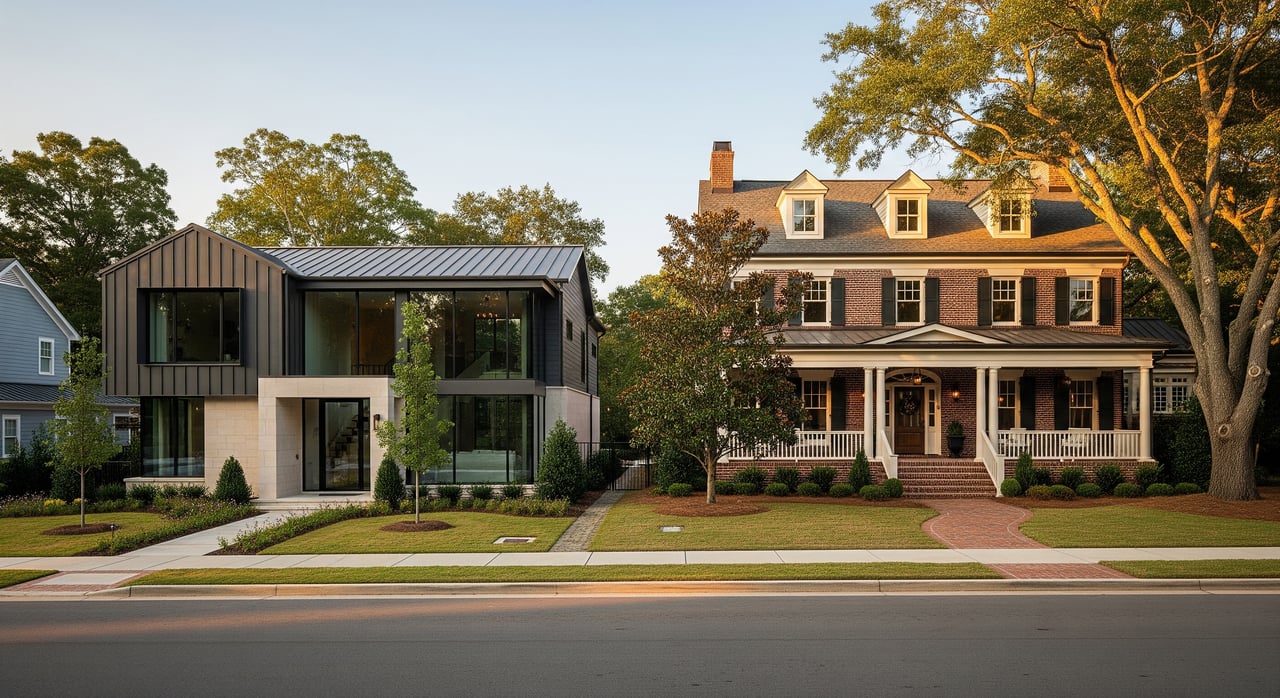
Thinking about a move in Apex and weighing a shiny new build against a well‑loved resale? You’re not alone. Move‑up families across Wake County face this choice every season, and each path has tradeoffs that affect timing, budget, and day‑to‑day living. In this guide, you’ll compare timelines, warranties, maintenance, energy costs, HOA dynamics, inspections, and financing so you can decide with confidence. Let’s dive in.
New vs resale in Apex: the big picture
Apex is growing fast, which means you’ll see master‑planned communities rising alongside established neighborhoods. New construction offers modern layouts, efficient systems, and builder warranties. Resale homes deliver mature trees, settled streetscapes, and quicker move‑ins. Your best fit depends on how much predictability you want, how fast you need to move, and how you prefer to manage costs over time.
Timeline to move‑in
New construction timeline
Most production new builds take several months from contract to completion. Semi‑custom and custom homes can run longer. Weather, lot readiness, and supply chains can add time. If you choose upgrades or structural changes, plan for extra weeks. Ask each builder for written schedules, delay clauses, and the specific stage your lot is in.
Resale timeline
After offer acceptance, closings often land in the 30 to 45 day range, depending on lender speed and contingencies. If inspections uncover repairs, or title issues pop up, expect potential extensions. If the seller is already out, you can sometimes move faster; if they need a lease‑back, build that into your plan.
Apex timing tips
Local demand can create builder backlogs in peak seasons. Get realistic completion windows in writing, and clarify remedies if delays occur. If you’re timing a school calendar or lease end, include a buffer or line up temporary housing just in case.
Warranties and post‑purchase protection
New build coverage
Most builders offer layered coverage: about one year for workmanship and materials, limited system coverage for a short term, and a longer structural warranty that can extend up to ten years. Terms, exclusions, and claim processes vary, and some are administered by third parties. Review sample warranty documents, ask whether coverage is transferable, and confirm how to file a claim and how quickly issues are addressed. For context on typical structures, you can review example programs like those described by 2‑10 Home Buyers Warranty.
Resale protection
Resale homes rarely include builder warranties unless a recent warranty is still active and transferable. You’ll rely on inspections and negotiated repairs, and you can buy an optional one‑year home‑warranty policy for some systems and appliances. Read what’s covered and what is excluded before you pay.
Maintenance and near‑term repairs
New construction expectations
New systems mean less immediate repair risk, though you should expect a punch list and minor touch‑ups as the home settles. Landscaping is often minimal at delivery, so budget early dollars for yard establishment, irrigation, or drainage adjustments. Follow any builder maintenance requirements to keep warranties valid.
Resale realities
Older roofs, HVAC systems, water heaters, windows, and appliances may be closer to replacement. Mature landscaping can reduce initial yard costs but may increase routine maintenance. Use your inspection to build a 0 to 5 year replacement plan and prioritize safety and water‑intrusion items first.
Budgeting tip
A common planning range is to set aside 1 to 3 percent of the home’s value per year for maintenance. Adjust to the higher end for older homes or larger lots.
Energy efficiency and utility costs
New construction advantages
Homes built to today’s North Carolina codes typically include better insulation, air sealing, modern heat pumps, efficient water heaters, and newer appliances. This can reduce utility costs compared to older homes. Ask builders for energy specs, including insulation R‑values, HVAC efficiency, window ratings, and whether the home has any third‑party certifications such as ENERGY STAR. For general guidance on efficient features, browse ENERGY STAR resources.
Resale opportunities
Many older homes can be upgraded with additional insulation, sealed ductwork, smart thermostats, and high‑efficiency heat pumps. Ask for 12 months of utility history to estimate operating costs, then model what simple retrofits might save.
Apex climate note
With hot, humid summers and mild winters, cooling efficiency and humidity control drive comfort and cost in Apex. Heat pumps are common and perform well in this climate when properly sized and installed.
HOAs and neighborhood dynamics
New HOA communities
Most new Apex subdivisions include HOAs that govern design standards, amenities, and common‑area maintenance. Fees vary, and early budgets can be conservative while the community is building out. Find out whether the developer still controls the board, and whether any special assessments are planned.
Established HOAs and non‑HOA areas
Existing HOAs provide history to review, including reserve accounts, meeting minutes, and past assessments. Some resale neighborhoods have no HOA, which offers more flexibility but less formal common‑area care.
What to request
- CC&Rs, bylaws, and rules
- Current operating budget and latest financials
- Reserve study
- Meeting minutes for the last 12 to 24 months
- Insurance declarations and any pending litigation
If you want a deeper understanding of governance and reserves, the Community Associations Institute offers helpful background.
Total cost of ownership
Look beyond the purchase price and compare apples to apples on size, lot, location, and amenities. Build a side‑by‑side model for each home that includes:
- Purchase price, including lot premiums and upgrades for new builds
- Property taxes and how reassessment will be handled
- Homeowners insurance
- HOA dues and potential assessments
- Utilities and energy use estimates
- Routine maintenance and reserves for replacements
- Landscaping, window coverings, fencing, and driveway or yard work
- Closing costs, lender fees, and any builder incentives
For new builds, include a clear upgrades budget. It is common for options to increase the base price by 5 to 20 percent or more, depending on your choices. For resales, set aside funds for immediate inspection items and likely replacements in the first few years.
Financing differences
New construction loans
You may use a construction‑to‑permanent single‑close loan, a two‑loan approach that converts at completion, or a builder‑preferred lender with incentives. Expect interest‑only draws during construction, and be mindful of rate‑lock timing and conversion terms. The Consumer Financial Protection Bureau offers impartial guidance to compare your options.
Resale mortgages
Conventional, FHA, and VA loans are common, and it is usually easier to lock a rate before closing. Compare total costs across lenders, not just the headline rate.
Action items to discuss with your lender
- Whether a construction‑to‑permanent loan fits your situation
- Estimated interest during construction and conversion fees
- Rate‑lock windows and extension costs
- A sample amortization schedule for each option
Inspections and quality assurance
New build inspections
Even with code inspections, hire an independent inspector who understands new‑construction workflows. Staged inspections, such as pre‑drywall and final, can spot issues while access is easy. Plan a thorough final walkthrough and create a written punch list with response timelines.
Resale inspections
Order a general inspection and add specialty inspections based on age and features, such as roof, HVAC, pest/termite, chimney, or septic for outlying properties. Ask for repair receipts and any permits pulled for past work.
Local due diligence for Apex
Planning, permitting, and codes
- Confirm that your new build complies with Town of Apex zoning, subdivision, and permitting requirements. Builders usually handle approvals, but verify setbacks, easements, and impervious surface limits on your lot.
- New homes must meet the North Carolina State Building Code, which influences insulation, HVAC, and mechanical systems. You can review state code resources through the North Carolina Office of State Fire Marshal.
Taxes and flood risk
- Check Wake County property tax assessments and how new construction is treated in the first year. Start at the Wake County Tax Administration page.
- Review FEMA flood maps and the Wake County GIS to understand any floodplains, wetlands, or drainage easements that could affect your lot.
Helpful links:
- Review flood zones on the FEMA Flood Map Service Center.
- Explore Wake County Tax Administration resources.
- Browse Wake County GIS resources.
- Learn about North Carolina building codes from the Office of State Fire Marshal.
- Explore ENERGY STAR guidance on efficient homes.
- Read HOA best practices from the Community Associations Institute.
- See example new‑home warranty structures from 2‑10 Home Buyers Warranty.
- Compare mortgage options at the CFPB’s Owning a Home hub.
Questions to ask before you choose
If you are considering new construction
- What is the estimated completion date, and what happens if it slips?
- Is the listed price base only? What upgrades are included? Request itemized allowances.
- What are the warranty terms, exclusions, and claim timelines? Is structural coverage third‑party insured and transferable?
- Who manages the HOA today, and when will control shift to homeowners?
- What are the energy specs for insulation, HVAC, windows, and water heating? Any certifications?
- Is the lot in a floodplain or subject to drainage easements? Request the lot plan and topo.
If you are evaluating a resale
- Can you provide the seller property disclosure and 12 months of utility bills?
- What are the ages and service histories of roof, HVAC, water heater, windows, appliances, electrical, and plumbing?
- Any active liens, assessments, or HOA violations?
- Recent pest/termite reports or septic inspection, if applicable?
- Typical annual property taxes and assessment history?
For the HOA and your lender
- HOA: Ask for CC&Rs, bylaws, current budget, financials, reserve study, meeting minutes, insurance declarations, and any pending litigation.
- Lender: For construction loans, request full disclosure of interest during construction, conversion fees, holdbacks, and rate‑lock timelines. For all loans, compare total costs line by line.
How to decide what fits your family
If you value predictability, modern systems, and design control, a new build may be the right move. If you need speed, prefer established streetscapes, or want to avoid upgrade add‑ons, a resale could be better. For many move‑up families, the answer is to compare two or three finalists side by side using the same criteria: total cost over five years, timing certainty, maintenance outlook, HOA health, and location fit.
When you are ready to talk through options, lean on a team that knows construction, budgets, and the sales process. Ace Development Group brings a builder‑broker perspective that helps you model costs, align timelines, and protect your interests from contract to close. If that sounds helpful, connect with Ace Development Group to get started.
FAQs
What should Apex buyers know about build timelines?
- Production new builds often take several months, with customization, weather, and lot readiness adding time. Get written schedules and delay remedies from the builder.
Do I still need a home inspection on a new Apex build?
- Yes. Schedule staged inspections, such as pre‑drywall and final, with an inspector experienced in new construction. Create a punch list before closing.
How do HOA risks differ for new vs established Apex communities?
- New HOAs may have developer control and limited reserves during build‑out, which can raise assessment risk. Established HOAs offer more financial history to review.
Will a new Apex home always lower my utility bills?
- Not always, but current code requirements and efficient systems generally reduce energy use versus older homes. Actual savings depend on specs and how you use the home.
What financing differences matter most for new construction?
- Construction‑to‑permanent and two‑loan structures add interest‑only draws and conversion terms. Compare total costs, rate‑lock timing, and incentives against a standard mortgage.
What local checks should I do before I pick a lot in Apex?
- Confirm setbacks and easements, review Wake County tax treatment, and verify flood risk using FEMA maps and the Wake County GIS. Ask the builder for the lot plan and topo.