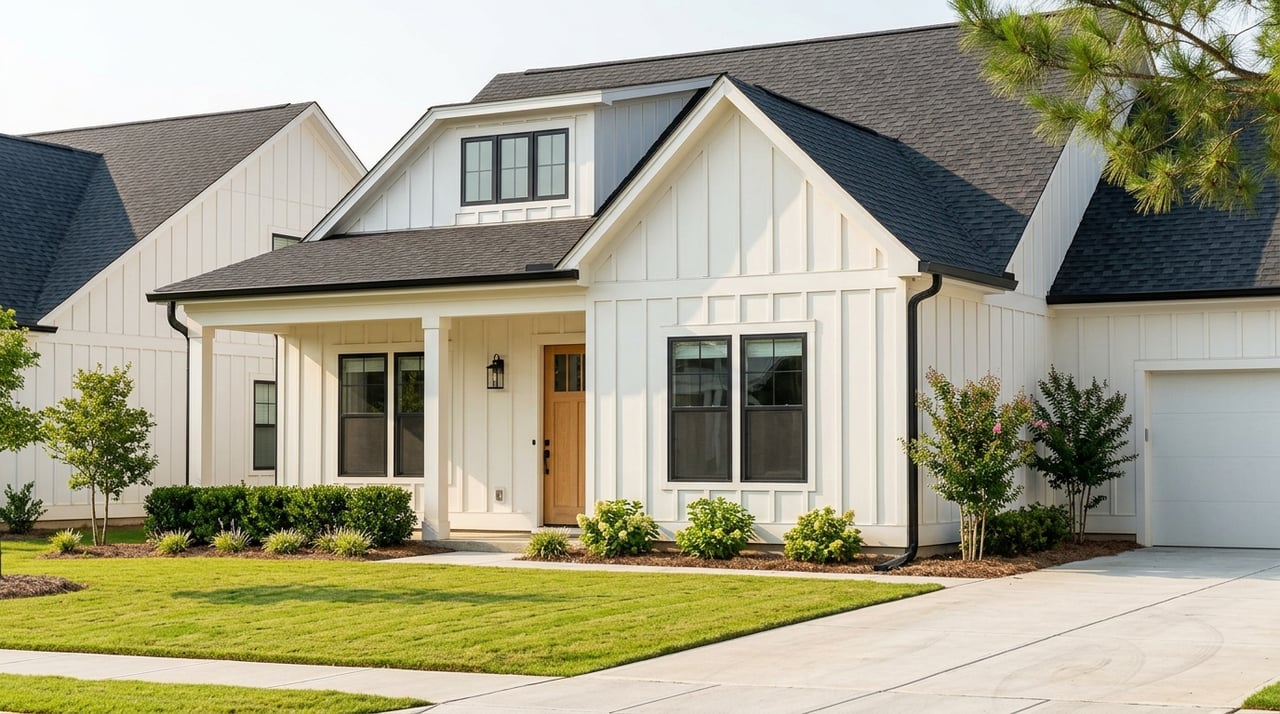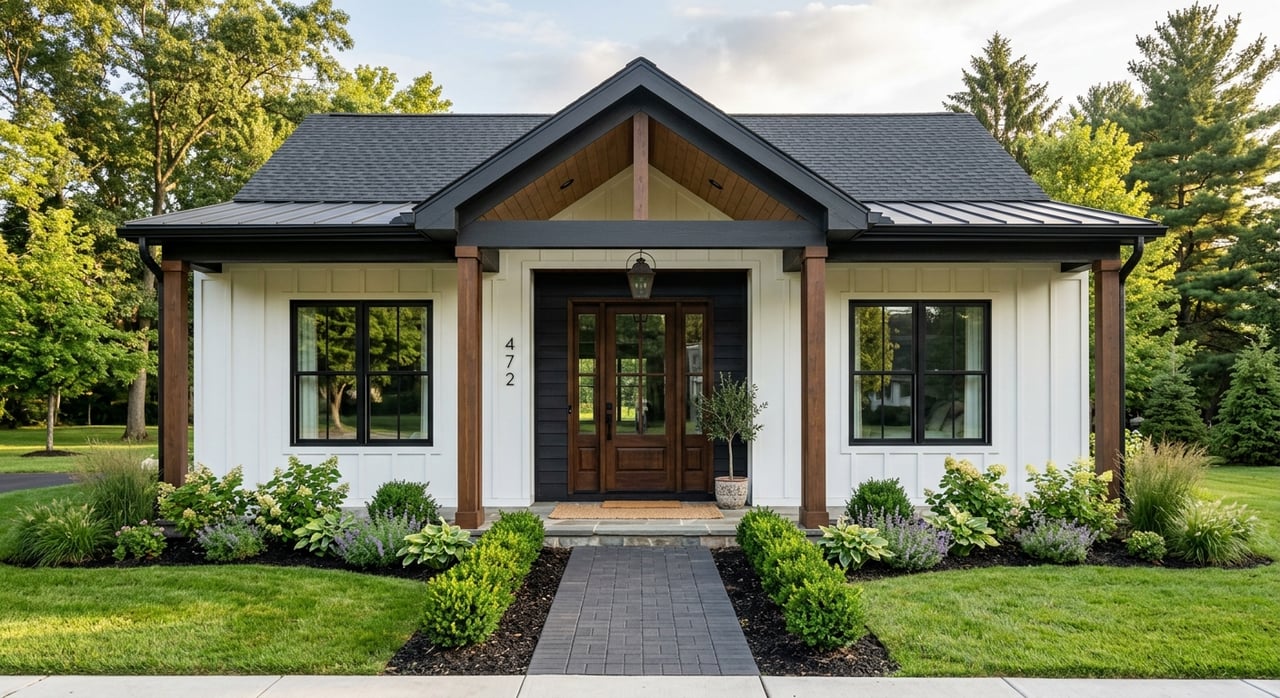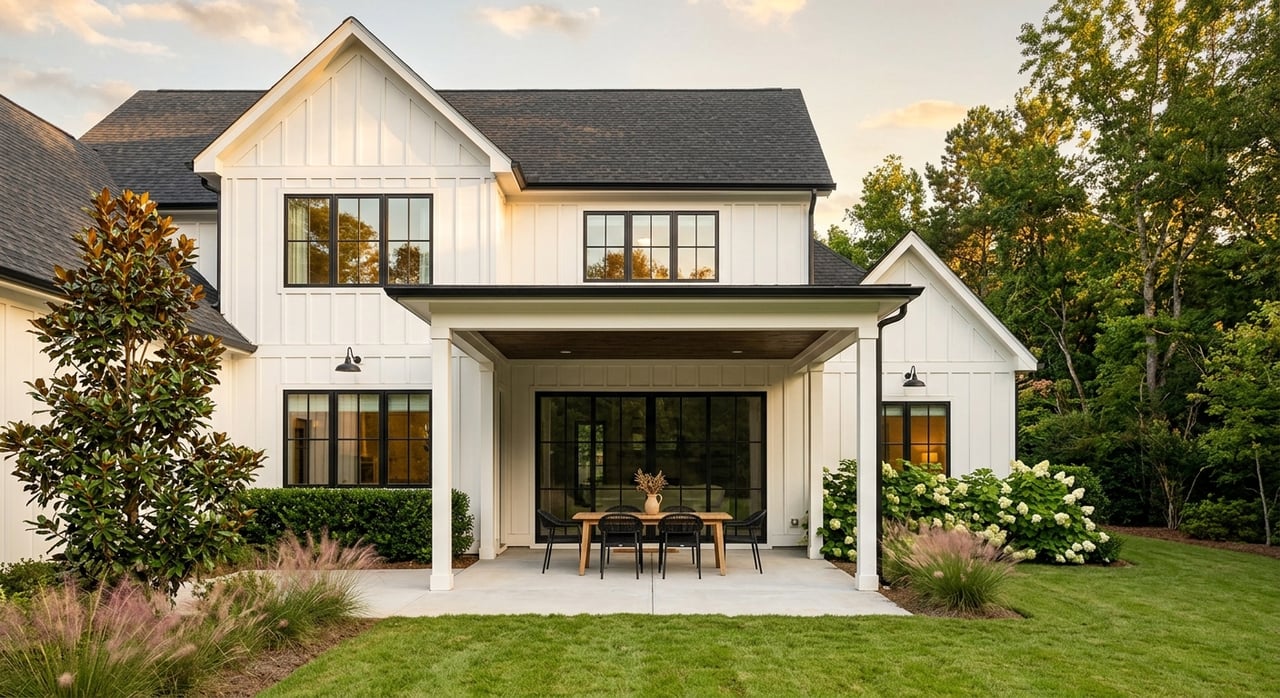
Buying a new home in Apex is not just about picking a floor plan you like. It is about choosing the community that fits how you actually live each day. If you are comparing neighborhoods and wondering which trade-offs matter most, this guide will help you narrow your options with more confidence. Let’s dive in.
Start With Your Daily Routine
In Apex, location within town can shape your day as much as the home itself. The town’s road network is anchored by US-64 to the north, US-1 to the south, NC-540 on the west side, and NC-55 through the middle, which means two communities with similar pricing can feel very different once you factor in traffic patterns and access.
Apex also offers practical lifestyle advantages beyond roads. The town says RDU is about 15 minutes away via I-540, GoApex Route 1 is free with published service, and Apex maintains more than 13 miles of greenway. Downtown Apex is also a pedestrian-friendly hub, with the Salem Streetscape project planned for 2026 to continue improvements.
That is why your first question should not be, “Which community has the nicest model home?” It should be, “Which community works best for my commute, errands, recreation, and weekend plans?”
Compare Commute Patterns, Not Just Distance
A short map distance does not always mean an easy drive. When you compare new home communities in Apex, look at how the route works during the times you will actually be on the road.
Several current communities show how much access can vary. Enclave at Bells Lake is advertised as about 16 minutes from downtown Apex, 25 minutes from downtown Raleigh, and 26 minutes from RDU. Colby Crossing says it is about 5 minutes from I-540, 10 minutes from downtown Apex, and 20 minutes from RDU, while Brookside is about 6 minutes from historic downtown Apex and walkable to Beaver Creek Commons and the Beaver Creek Greenway.
If possible, test the route during rush hour. A community that looks ideal on paper may feel less convenient if your daily drive includes slower intersections, heavier merging, or extra time to reach the main roads.
Commute Questions To Ask
- How long is the drive during your actual work hours?
- How quickly can you reach US-64, US-1, NC-540, or NC-55?
- How close are your most common destinations, like downtown Apex, RDU, shopping, or trails?
- Would you use greenways or local transit as part of your routine?
Look Beyond Square Footage
It is easy to focus on home size, bedroom count, and finishes. Those matter, but they do not tell the full story of how a community will feel once you move in.
A better comparison includes homesite count, layout, and the overall setting. Parc at Bradley Farm is described as a boutique community with only 37 homesites. Brookside spans more than 21 acres with 79 townhomes, while Colby Crossing offers just 14 luxury custom homes and Enclave at Bells Lake includes cul-de-sac homesites.
A smaller community may offer a quieter, more tucked-away feel. A larger one may give you more variety, more shared spaces, or a broader mix of home types.
Ask About The Homesite Experience
- How many homesites are planned in total?
- Are future phases still coming?
- Do any lots back to treeline or open space?
- Are landscape buffers expected to stay, or could nearby construction change the view later?
- Does the street layout create through traffic or more private pockets?
Match Amenities To Your Lifestyle
Not every buyer wants the same neighborhood features. Some people want a pool, clubhouse, and fitness options nearby. Others would rather skip larger amenity packages and focus on location, greenways, or a lower-maintenance home.
Carolina Springs is a good example of a fuller amenity package, with a clubhouse, pool, play fields, pocket parks, tot lots, fitness center, and greenway trails. Horton Park says future amenities include a community pool, bath house, and walking trails connecting to Middle Creek Greenway. Brookside highlights lawn care, pickleball courts, shopping access, and main-level living.
The key is to separate what exists now from what is planned later. Future amenities may add value, but they are not the same as something you can use right away.
Amenities To Verify Before You Buy
- Which amenities are complete today?
- Which amenities are still planned for a future phase?
- Are lawn care or exterior maintenance included?
- Will you realistically use the amenity package often?
- Are nearby public trails, parks, or shopping more important to you than on-site features?
Choose The Right Home Type
Apex offers a wide range of new construction choices. You can find townhomes, detached single-family homes, active-adult options, and custom builds, which means the best community for you depends heavily on your stage of life and what kind of ownership experience you want.
If you want lower maintenance and a close-in location, a townhome community may make sense. Parc at Bradley Farm, for example, offers 3-bedroom, 3.5-bath townhomes of about 2,149 to 2,152 square feet and is located minutes from downtown Apex.
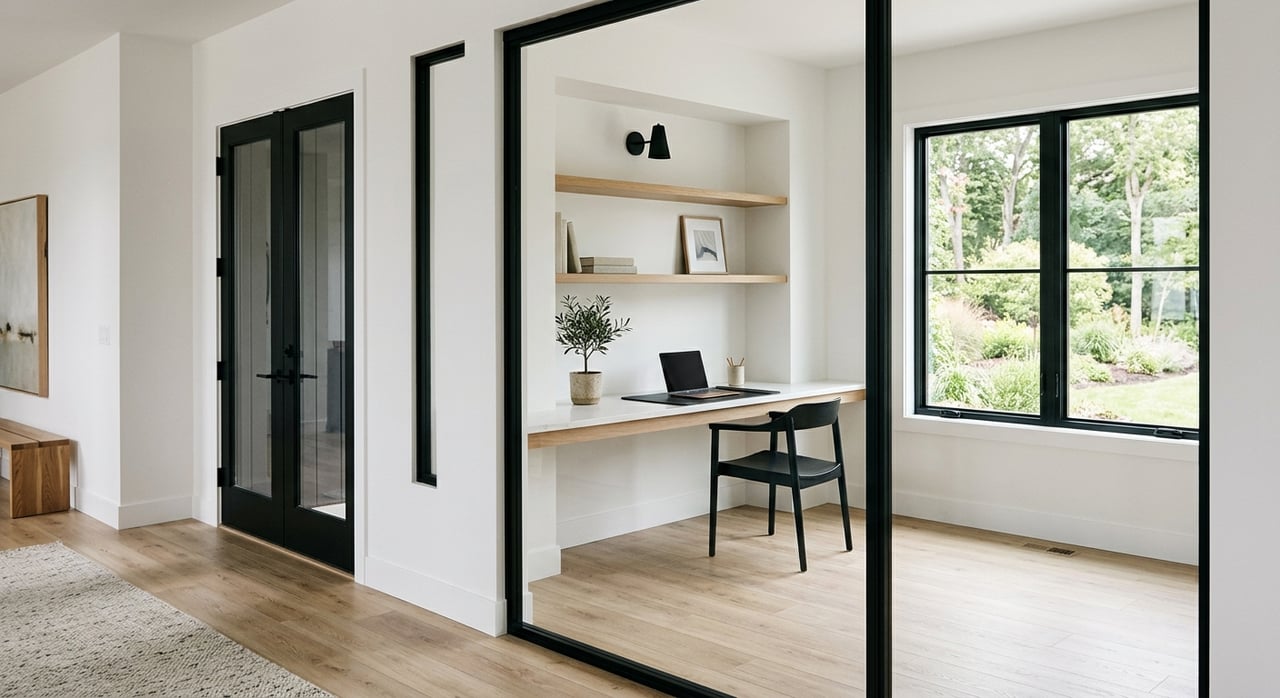
If you want more space, more bedrooms, or room for a home office or guest suite, a detached-home community may be a better fit. Enclave at Bells Lake includes craftsman-style single-family homes ranging from 2,423 to 3,656 square feet, with options such as first-floor guest suites and home offices.
If low-maintenance living is a top priority, communities like Brookside may be worth a close look. It is a 55+ neighborhood with main-level primary suites, lawn care, and social amenities such as pickleball.
If personalization is your top goal, a smaller custom-home setting may be the better match. Colby Crossing is one example, with 14 luxury custom homes and larger home examples in the 3,613 to 3,925 square foot range.
Understand Build-Out Timing
Apex is growing, and that matters when you choose a neighborhood. The town’s development report shows 3,548 new residents added in FY25-26 through April 30, 2026, along with many active residential projects.
That pace of growth makes build-out stage an important part of your decision. A community in an early phase may offer more homesite choices, but it can also mean a longer construction period around you. A final-phase community may feel more established, but your inventory and personalization options could be more limited.
Build-Out Questions To Ask
- Is the home pre-construction, under construction, or move-in ready?
- How many homesites remain?
- Is the neighborhood in an early phase or a final phase?
- What parts of the community are still being built?
- When are roads, amenities, and landscaping expected to be complete?
Verify School Assignment By Address
If school assignment matters to your household, verify it using the exact property address. Wake County Public School System says every family is assigned to one base school based on home address, and some schools have enrollment caps.
That means a broad community description may not tell the whole story. Even within the same general area, assignment details can depend on the specific address.
The safest approach is simple: confirm the exact address before making a decision. That gives you the clearest information available at the time you are buying.
Use Real Communities To Clarify Your Priorities
Sometimes the easiest way to choose is to compare the type of lifestyle each community supports. In Apex, many communities are not competing on good versus bad. They are offering different packages of convenience, space, maintenance level, and amenities.
Here is a simple way to think about several current examples:
| Community | Best Fit For | Key Trade-Off |
|---|---|---|
| Parc at Bradley Farm | Buyers wanting a close-in, lower-maintenance townhome | Less emphasis on larger detached-home living |
| Enclave at Bells Lake | Buyers wanting more space and detached-home features | Longer list of home and lot decisions |
| Carolina Springs | Buyers who want a broader amenity package | Master-planned setting may feel busier to some buyers |
| Horton Park | Buyers comparing different home types and price points in one area | Some amenities are still future items |
| Brookside | Buyers seeking 55+ low-maintenance living | More specialized buyer fit |
| Colby Crossing | Buyers prioritizing custom design and a smaller community feel | More niche product type and scale |
This kind of comparison can help you avoid getting distracted by finishes alone. The better question is which setup supports the way you want to live next year, not just what looks best during a tour.
A Simple Apex Tour Checklist
When you visit new home communities in Apex, bring a checklist that helps you compare what matters most. That keeps you focused and makes side-by-side decisions easier later.
What To Check On Every Tour
- Actual rush-hour commute time
- Distance to downtown Apex, greenways, shopping, and major roads
- Amenities available now versus future amenities
- HOA dues and whether they include lawn care or maintenance
- Number of homesites remaining
- Phase of construction and expected build-out timing
- Exact school assignment by address
- Whether the home is pre-construction, under construction, or move-in ready
Choosing the right Apex new home community comes down to fit. When you compare location, commute patterns, home type, amenities, lot feel, and build-out stage together, you give yourself a much better chance of choosing a neighborhood that still feels right long after closing day. If you want a practical, detail-focused approach to evaluating new construction, Ace Development Group is here to help you start your search with clarity.
FAQs
What should you compare when choosing an Apex new home community?
- You should compare commute patterns, access to major roads, home type, amenities, homesite setting, HOA maintenance, build-out stage, and exact school assignment by address.
Why does location within Apex matter when buying new construction?
- Location within Apex affects your daily drive, access to US-64, US-1, NC-540, and NC-55, proximity to downtown and RDU, and how easily you can reach greenways, shopping, and other routine destinations.
How do amenities differ between Apex new home communities?
- Some Apex communities offer larger amenity packages like pools, clubhouses, fitness spaces, and trails, while others focus more on low-maintenance living or access to nearby parks, greenways, and shopping.
Why should you ask about build-out stage in an Apex community?
- Build-out stage helps you understand how much construction is still ahead, how many homesites remain, whether amenities are complete, and how established the neighborhood may feel when you move in.
How can you confirm school assignment for an Apex new home?
- You should verify school assignment using the exact property address through Wake County Public School System because assignment is based on address and some schools have enrollment caps.