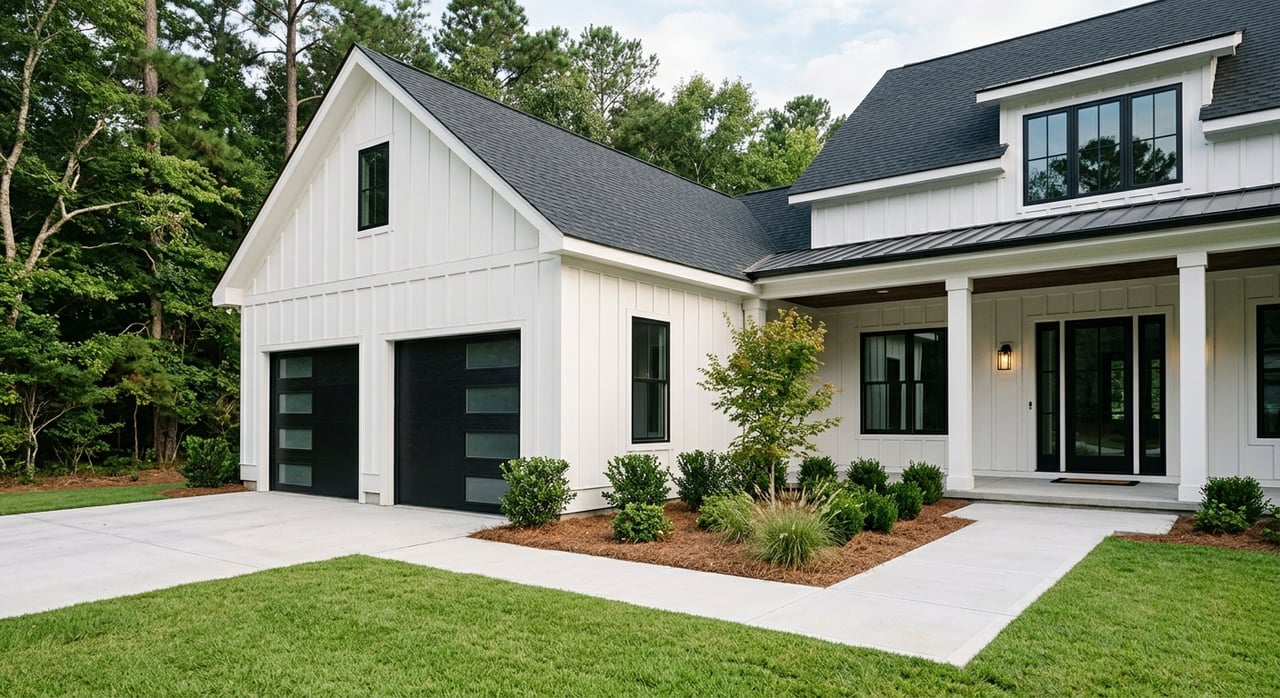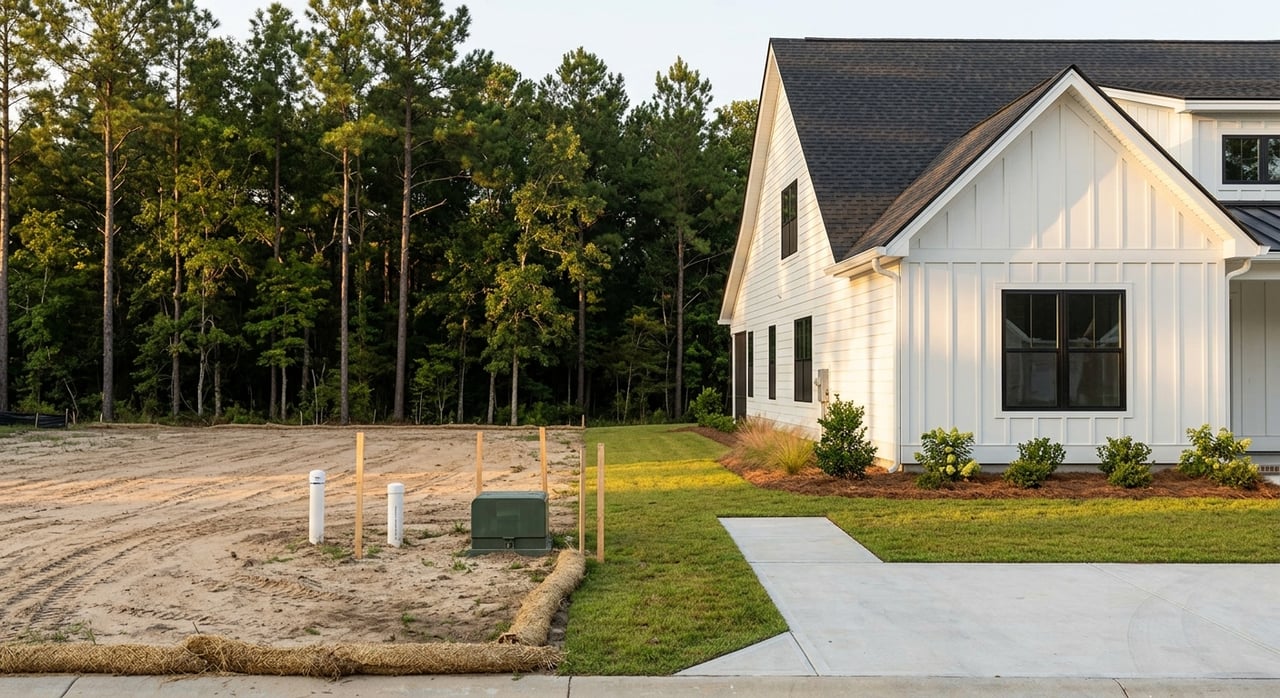
Thinking about cutting up a piece of land near Fort Bragg to create a few buildable lots? It can sound like an easy way to unlock value, especially in the Fayetteville area where housing demand is tied closely to one of the largest military installations in the country. But subdivision is not just about drawing new lot lines. You need to know the rules, the costs, and whether the finished lots will fit the local market. Let’s dive in.
Why subdivision gets attention near Fort Bragg
Fort Bragg remains the biggest housing demand driver in the Fayetteville area. As of March 7, 2025, the installation was redesignated back to Fort Bragg, and the Army reports about 53,700 troops and 14,000 civilians on post, with support for roughly 260,000 people including families, contractors, and retirees.
That kind of demand matters if you own land in Fayetteville or Cumberland County. It creates a steady need for housing, especially single-family homes that can serve military relocations, local buyers, and move-up households.
Population trends also support the idea that this is not a one-time market. Fayetteville’s estimated population reached 209,496 in 2024, and Cumberland County was estimated at 338,430. Both showed modest growth from 2020, which points to ongoing housing demand rather than a thin or highly speculative market.
Fayetteville market reality matters
Before you subdivide, you need to look at what buyers can actually afford. Fayetteville and Cumberland County are active housing markets, but they are also price-sensitive compared with the state as a whole.
Median household income is below the North Carolina average, and owner-occupied home values are also lower than statewide figures. In Fayetteville, the median owner-occupied housing value is $188,000, and countywide it is $199,200. That means a subdivision can make sense, but only if your lot development costs stay in line with what local buyers will pay.
Recent market trackers also show an active but not overly tight market. Realtor.com reported an April 2026 median listing price of $251,250 and median sold price of $245,000 in Fayetteville, while Redfin reported a March 2026 median sale price of $230,000. Days on market were roughly seven weeks or less depending on the source, which suggests buyers are present, but they still have options.
Start with the jurisdiction
The first question is simple: Is your land inside Fayetteville city limits or outside them? That answer changes the approval path.
If the tract is inside the city, subdivision review runs through Fayetteville Development Services and the Technical Review Committee process. If the tract is outside the city, Cumberland County Planning & Inspections and the county subdivision ordinance will govern the project.
This step matters because each jurisdiction has its own submission requirements, review procedures, and approval timing. A landowner who skips this step can waste time preparing the wrong kind of plan.
Fayetteville subdivision process basics
Within Fayetteville, subdivision standards help coordinate infrastructure such as streets, wastewater, potable water, and stormwater. The city offers a free pre-submittal Technical Review Committee conference, which can help you understand issues early.
For most land divisions, you submit a subdivision plan before a final plat. The final plat must be recorded before lots can be sold or transferred, and permits cannot be issued until the subdivision is mapped and a parcel identification number has been created.
If the site has unusual shape or topography, a subdivision waiver may be possible. But that is not a shortcut. Fayetteville treats it as a formal process that requires a pre-application conference and hearings.
Cumberland County subdivision process basics
Outside Fayetteville city limits, Cumberland County uses a preliminary-plan-first process. The county requires the preliminary plan to show proposed streets, lot layout, setbacks, flood hazard areas, open space, and utility plans.
If public water or sewer will not be provided, the preliminary plan must state the proposed water supply and sewage disposal method. That means rural or edge locations often need more up-front work before you know whether the lots are practical.
County preliminary approvals initially run for up to two calendar years. Final plat approval is not granted until required improvements are installed or guaranteed, and the final plat must be recorded within one year of final approval.
The county also notes that staff review can take up to ten working days, and longer if board review is needed. That may not sound long, but timelines can stretch when revisions, utility coordination, or access issues come into play.
Utilities can make or break the deal
For many small landowners, utilities are the real feasibility test. A tract can look ideal on a map and still become expensive fast if water, sewer, or power extensions are needed.
Fayetteville PWC serves the area with electric, water, and wastewater services. Its fee schedule shows a $500 permit fee for a water main extension and $500 for a sewer main extension. Those are just listed permit fees, not the full cost of extending infrastructure.
The larger concern is whether mains are nearby, how far they must be extended, and what construction work is required to serve each lot. In an affordability-sensitive market, those costs can erase the value gained by creating additional lots.
Septic and well issues add risk
If public water or sewer is not available, the project may depend on septic approval and well planning. In Cumberland County, Environmental Health handles soil and site evaluations, septic permits, well permits, and related inspections.
The county fee schedule lists a septic tank permit and soil evaluation at $600 effective July 1, 2024. More importantly, not every site will support the lot count you want.
If soils, setbacks, or site conditions limit septic placement, your subdivision yield can shrink. The county ordinance also requires disclosure on the final plat when lots do not have public water or sewer and have not been approved for on-site sewer or private wells at the time of recording.
Road access is not a minor detail
Access can stop a project even when the lot layout looks fine on paper. Fayetteville notes that driveway and access connections are regulated differently depending on whether the street is city-maintained or state-maintained.
If subdivision roads will connect to the state system, NCDOT review and approval requirements apply. That can include road standards and utility encroachment agreements.
In practical terms, frontage, sight distance, required improvements, or road connection costs can reshape your budget. If a new public-road connection or other access work is needed, the economics may change quickly.
Floodplain and drainage can change the numbers
Floodplain and drainage issues deserve careful review before you make assumptions about lot count or building area. Fayetteville requires floodplain development review for land-disturbing activity in the special flood hazard area.
For habitable floor area in the 100-year floodplain, the city requires an elevation certificate showing the lowest habitable floor at least two feet above base flood elevation. That can affect design, fill, drainage planning, and overall development cost.
Even if the land is technically buildable, extra site work can reduce your profit margin. This is one of the most common reasons a subdivision that looks promising at first becomes less attractive after due diligence.
When subdivision may make sense
Subdivision often works best when the tract checks several boxes at once. You usually want clear frontage, manageable access, nearby utilities, and site conditions that do not force unusual engineering or approvals.
It also helps when the likely lot count aligns with the Fayetteville price point. Since the local market supports demand but remains value-conscious, small and efficient projects may perform better than overbuilt ones.
Local policy support also points in this direction. Fayetteville’s Affordable Single-Family Housing Development Program encourages infill homeownership and offers interest-free construction financing plus forgivable down payment assistance of up to $50,000 for eligible buyers. That does not guarantee every tract is a fit, but it does show local support for additional for-sale detached housing.
When selling as-is may be smarter
Not every tract should be subdivided. Sometimes the highest-value move is selling the land as-is to a builder, developer, or buyer who is better positioned to handle the complexity.
That can be the better path if your property needs a long utility extension, relies on uncertain septic approval, requires a new public-road connection, or would need a formal waiver to make the lot layout work. Those are not small hurdles in Cumberland County or Fayetteville. They are often the difference between a clean project and a costly delay.
If you are comparing your options, the real question is not just "Can this be subdivided?" It is "Will this subdivision still make financial sense after approvals, infrastructure, and timing are accounted for?"
Why coordination matters
Subdivision is rarely a single-step process. It can involve planning review, surveying, utility coordination, septic or water and wastewater approvals, site work, final plat recording, construction, and eventually listing or resale.
That is why coordination matters so much for local landowners and small investors. Every handoff between consultants, contractors, and approval agencies creates room for delay or confusion.
A vertically integrated team can help reduce that risk by keeping planning, site prep, utility work, construction, and resale strategy aligned from the start. For a market like Fayetteville, where margins can tighten quickly if infrastructure costs rise, that kind of coordination can be a real advantage.
A practical way to decide
If you own land near Fort Bragg, start with a simple checklist:
- Confirm whether the property is in Fayetteville or unincorporated Cumberland County
- Review current zoning and subdivision standards with the correct local department
- Check water and sewer availability through the relevant service providers
- Evaluate septic potential if public utilities are not available
- Review road frontage, access, and whether NCDOT approval may apply
- Identify any floodplain or drainage constraints
- Compare likely development costs against realistic local resale values
That process will not answer everything, but it will help you move from guesswork to a more grounded decision. In this market, the best subdivision opportunities are usually the ones with fewer surprises.
If you want a clearer path from land evaluation to permitting, site work, and eventual build-out or resale, Ace Development Group offers a single point of contact backed by local development, utility, construction, and brokerage support.
FAQs
Should you subdivide land near Fort Bragg in Fayetteville?
- It depends on jurisdiction, utilities, access, floodplain conditions, and whether the finished lots fit Fayetteville’s price-sensitive market.
What office handles subdivision approval in Fayetteville, NC?
- If the property is inside Fayetteville city limits, the process goes through the City of Fayetteville Development Services and Technical Review Committee. If it is outside city limits, Cumberland County Planning & Inspections handles it.
Can you sell lots before a final plat is recorded in Fayetteville?
- No. The city’s development guide says the plat must be recorded before lots are sold or transferred.
What happens if your Cumberland County land does not have public sewer?
- The subdivision plan must show the proposed sewage disposal method, and Environmental Health may need to evaluate the site for septic approval.
Do road connections near Fayetteville require extra review?
- Yes. Access rules vary depending on whether the street is city-maintained or state-maintained, and roads connecting to the state system can require NCDOT review and approval.
Does floodplain location affect subdivision plans in Fayetteville?
- Yes. Floodplain development review may be required, and habitable floor areas in the 100-year floodplain must meet elevation standards set by the city.